Engineering Whitepaper: Metallurgical Standards and Global Production Benchmarks
In modern high-pressure piping design, process safety relies on the integrity of bolted mechanical connections. Stainless steel flanges serve as the demountable junctions between pressure vessels, mechanical pumps, linear pipe runs, and inline process instrumentation. Under the stringent standards defined by the American Society of Mechanical Engineers (ASME B16.5, ASME B16.47 Series A and B) and European Standard EN 1092-1, selecting an accredited flange forge requires deep understanding of grain flow orientation, chemical heat chemistry, carbide precipitation control, and non-destructive examination (NDE).
Forged stainless steel flanges manufactured from austenitic alloys (ASTM A182 F304/304L, F316/316L, F321, F347) and duplex/super duplex alloys (ASTM A182 F51, F53, F55) are engineered to withstand severe cyclic thermal shock, cryogenic liquefaction temperatures (-196°C), and corrosive hydrocarbon processing environments containing wet hydrogen sulfide (H2S) compliant with NACE MR0175 / ISO 15156.
Critical Engineering Insight: Grain refinement achieved during closed-die and open-die rotary ring forging produces superior yield strength and resistance to hoop stress compared to plate-cut or sand-cast flanges. Premium manufacturers enforce full solution annealing followed by rapid water quenching to ensure complete dissolution of chromium carbides, preventing intergranular attack along the heat-affected zone (HAZ).
Top 10 Stainless Steel Flange Manufacturers & Factories Worldwide
To assist global procurement directors, piping stress engineers, and engineering, procurement, and construction (EPC) estimators, our metallurgical advisory board compiled the industry benchmark for the top 10 stainless steel flange manufacturers. Each factory is audited across four vectors: forging tonnage, heat-treatment compliance, destructive/non-destructive testing labs, and sovereign export accreditations.
#1 Global Hub
Rajtilak Metal
Mumbai, India (Est. 1991)
Core Specialization:Forged Flanges & Heavy Fasteners
Approvals:EIL, IBR, ISO 9001, Gov. Export House
Size Scope:1/2" to 60" (Class 150 to 2500)
Traceability:100% Heat-Coded EN 10204 3.1 MTC
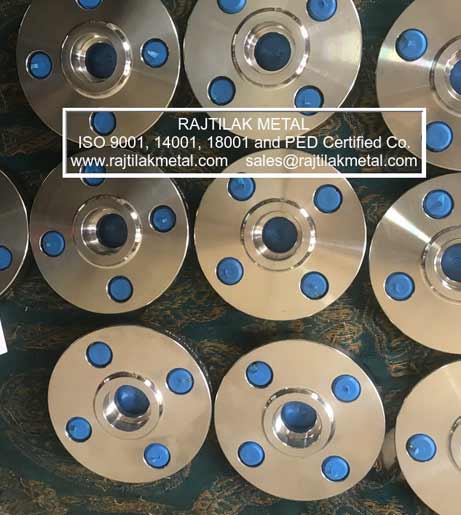
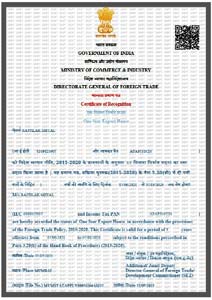
Rajtilak Metal is a Government of India recognized export house operating state-of-the-art forging hammers, heat-treatment furnaces, and CNC machining centers. Supplying EPC contractors throughout the Middle East, Southeast Asia, Europe, and the Americas, they excel in fast-track production of ANSI B16.5, EN 1092-1, and customized high-pressure forged rings in 304L, 316L, 904L, duplex, and nickel superalloys.
Renowned worldwide for automated closed-die forging presses and automated high-throughput CNC finish lines, Metalfar stands as an Italian powerhouse for European refining, LNG topside piping, and offshore engineering.
Equipped with massive hydraulic forging presses up to 8,000 tons, Melesi engineers extreme heavy-wall weld neck flanges, swivel ring assemblies, and anchor flanges designed for deepwater subsea extraction manifolds.
#4 EU
Bebitz Flanges Works GmbH
Könnern, Germany
Core Specialization:DIN / EN 1092-1 Flanges
Approvals:AD 2000-W0, DNV-GL, Lloyd's
Size Scope:DN 15 to DN 2400 (PN 6 - PN 400)
With roots dating back over a century, Bebitz is a core supplier to European chemical synthesis plants and power stations, maintaining complete control over integrated German ingot heating, forging, and ultrasonic inspection.
Texas Flange maintains one of North America's largest physical inventories of stainless steel, duplex, and chrome-moly flanges, providing quick-turn modification, RTJ grooving, and specialty facing for Gulf Coast refineries.
Operating high-efficiency multi-directional forging lines in the Basque industrial hub, Ulma delivers advanced metallurgical integrity for severe sour crude lines and offshore platform manifold applications.
#7 APAC
Hebei Shengtian Heavy-Duty Forging
Cangzhou, Hebei, China
Core Specialization:High-Volume Pipeline Flanges
Approvals:API, CE-PED, CCS, ISO 9001
Size Scope:1/2" to 72" Forgings
A large-scale production base with continuous automated ring rolling mills, Shengtian supplies utility pipeline contractors and marine shipbuilding yards across Asia, Africa, and South America.
Specializing in military naval architecture and nuclear-rated pressure boundaries, General Flange manufactures precision stainless, copper-nickel, and Inconel connections with complete dimensional micro-tolerances.
Recognized for ultra-clean vacuum melting inputs and surface mirror polishing (Ra < 0.2 μm), Shinsei provides critical stainless flanges for the global semiconductor fab, hydrogen, and pharmaceutical industries.
#10 APAC
S&S Flange Co., Ltd. (Sangyong Heavy Forging)
Busan, South Korea
Core Specialization:LNG Carrier & Heavy Shipbuilding Flanges
Approvals:ABS, BV, DNV, Korean Register, ISO 9001
Size Scope:15A to 2000A (Cryogenic Stainless & High-Nickel)
Deeply integrated into South Korea's mega-shipyards, S&S Flange manufactures specialized cryogenic stainless weld neck and spectacle blind flanges engineered to resist brittle fracture in liquefied natural gas fuel lines at -162°C.
Engineering Material Matrix: Mechanical & Corrosion Benchmark
Material selection for stainless steel flanges dictates the allowable working pressure across ambient and elevated temperatures. Below is an engineering comparison of the most frequently specified stainless and duplex alloy grades under ASTM A182 and EN 10222-5:
ASTM Grade
EN / DIN Standard
Metallurgy Family
Min Yield (MPa)
Tensile (MPa)
PREN Value
Design Temperature Range
F304 / F304L
1.4301 / 1.4307
Austenitic
205 / 170
515 / 485
~18 – 20
-196°C to +538°C
F316 / F316L
1.4401 / 1.4404
Austenitic (Mo-alloyed)
205 / 170
515 / 485
~23 – 25
-196°C to +649°C
F321 / F321H
1.4541 / 1.4878
Ti-Stabilized Austenitic
205
515
~18 – 20
-29°C to +816°C
F51 (Duplex 2205)
1.4462
Austenitic-Ferritic
450
620
≥ 34
-50°C to +280°C
F53 (Super Duplex 2507)
1.4410
Super Duplex
550
750
≥ 42
-40°C to +250°C
F10 (Alloy 904L)
1.4539
High-Nickel Austenitic
220
490
≥ 34
-196°C to +400°C
Flange Configuration & Sealing Face Criteria
Proper connection design prevents fugitive emissions in process installations. Engineers must choose matching flange types based on pipeline kinematics:
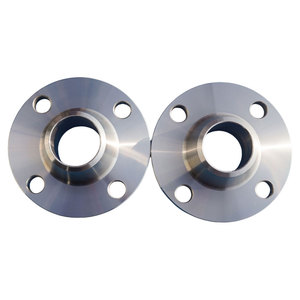
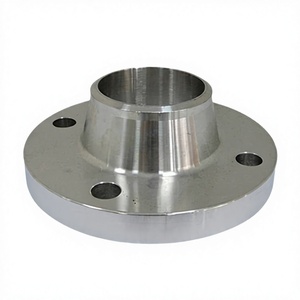
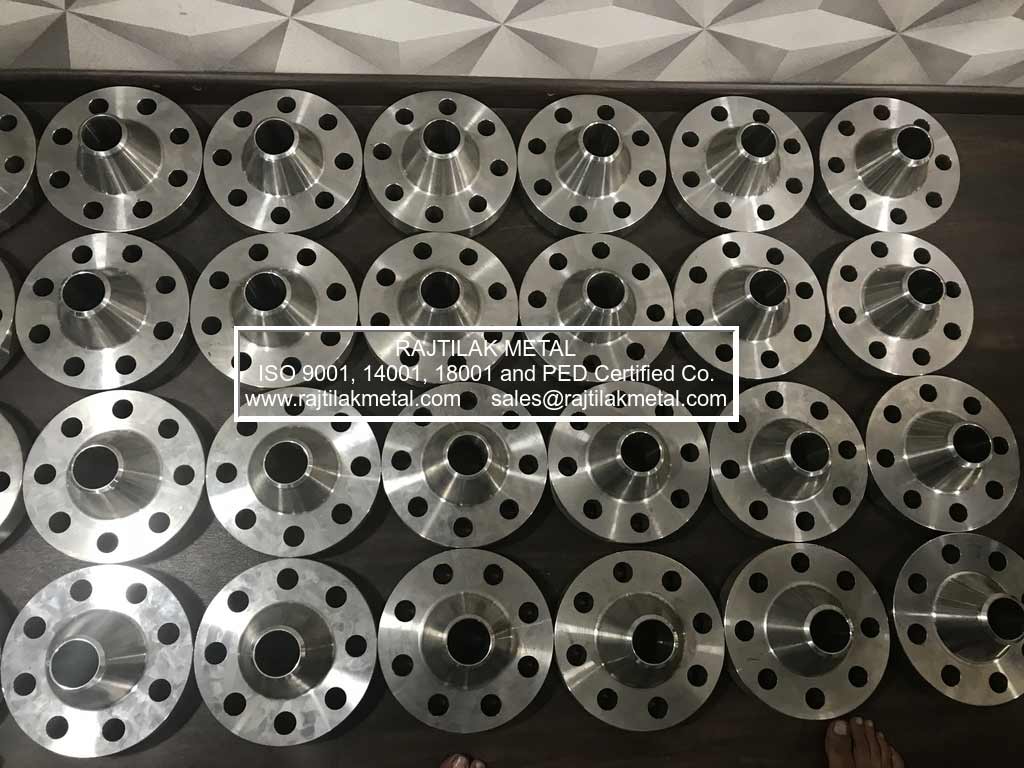
Weld Neck Flanges (WN): Designed with a long tapered hub that transitions hoop stresses directly into the nominal wall of the connected butt-weld pipe. Standard choice for severe cyclic loads, elevated pressures up to Class 2500, and hazardous volatile liquids.
Slip-On Flanges (SO): Positioned over the pipe exterior and secured with fillet welds at both the hub and inner bore. Ideal for low-pressure utilities and tight physical spaces, though with lower fatigue resistance under cyclic vibration.
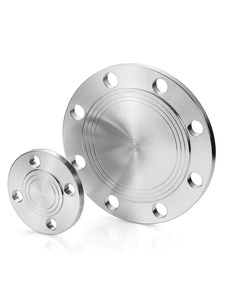
Blind Flanges (BL): Solid forged discs machined to standard bolt circle dimensions used for line blanking, pressure vessel inspection ports, and future piping extensions. Must withstand maximum hydrostatic test forces.
Socket Weld (SW) & Threaded (TH): Optimized for small-bore piping (≤ 2" NPS) within instrumentation loops and high-pressure hydraulic controls.
Future Sourcing & Procurement Trends (2025–2030)
The industrial piping sector is undergoing an operational transformation driven by emissions limits, digital supply chain verification, and shifting geopolitics. Supply chain directors should track these core shifts:
Low-Carbon "Green Steel" Forging
Global operators demand verified Scope 1, 2, and 3 carbon intensity reports. Electric Arc Furnaces (EAF) powered by renewable energy are replacing coal-fired blast furnaces for stainless billets, cutting the embodied carbon footprint by up to 60%.
Dual-Grade 304/304L & 316/316L Certification
Fabricators prioritize dual-marked flanges certified to both standard and low-carbon chemistry. This delivers the higher tensile properties of base grades alongside the weldability and intergranular corrosion protection of 'L' grades, simplifying warehouse SKUs.
Digital Traceability & Smart RFID Flanges
Leading manufacturers now laser-etch QR codes and integrate ultra-high frequency RFID tags into outer flange rims. Site inspectors can scan installed joints using rugged tablets to review original EN 10204 3.1 MTCs, heat codes, and tightening torques on demand.
Single-Source Manufacturing Excellence
Rajtilak Metal: Engineered Flange Manufacturing Since 1991
Rajtilak Metal is an established Indian manufacturer and recognized export house supplying forged pipe flanges, butt-weld fittings, and high-tensile structural fasteners to engineering contractors worldwide.
Official Statutory Accreditations: Fully audited under ISO 9001:2015, certified by Engineers India Limited (EIL), and approved under Indian Boiler Regulations (IBR).
Complete Raw Material Control: Raw billets sourced strictly from top-tier primary mills in India, South Korea, and Japan, backed by positive material identification (PMI).
Project-Specific Forging: In addition to ASME B16.5 and EN 1092-1 series, we produce custom-dimension spectacle blinds, orifice sets, and forged nozzle rings to client CAD drawings.
Real-world engineering and purchasing questions answered by our metallurgical engineering team:
Q1 What is the difference between Raised Face (RF) and Ring Type Joint (RTJ)?
A Raised Face (RF) concentrates gasket seating stress onto a concentric raised area (typically 1/16" for Class 150/300; 1/4" for Class 600+) using non-metallic or spiral wound gaskets. Ring Type Joint (RTJ) faces incorporate precision-machined trapezoidal grooves that deform an octagonal or oval metal ring gasket (such as soft iron or 316SS). RTJ is required for Class 900+ and severe hydrocarbon services above 400°C.
Q2 Why must 304L or 316L be chosen over standard 304 or 316 for welded lines?
The 'L' grades contain a maximum carbon content of 0.030% (compared to 0.08% max for standard grades). During welding in the sensitization temperature range (450°C – 850°C), higher carbon levels cause chromium carbide precipitation along grain boundaries, depleting corrosion resistance. Low-carbon 'L' grades preserve chromium content in the solid solution, eliminating intergranular corrosion without requiring post-weld solution annealing.
Q3 What documentation is required to verify EN 10204 3.1 certification?
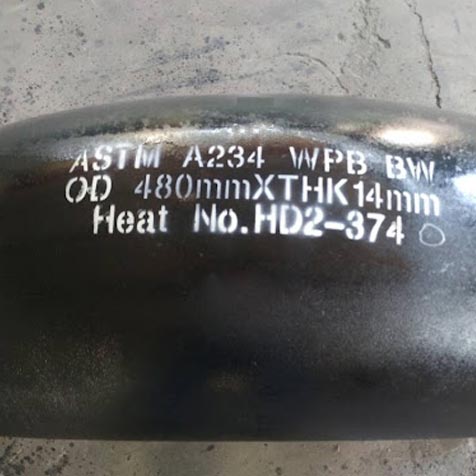
An authentic EN 10204 Type 3.1 inspection certificate must be issued directly by the manufacturer's authorized quality representative (independent of manufacturing). It must declare full chemical ladles, mechanical yield, tensile, elongation, hardness, heat-treatment logs, non-destructive test results, and specific melt heat numbers stamped legibly onto the outer rim of each flange.
Q4 Can ASME B16.5 flanges directly bolt to EN 1092-1 metric flanges?
In almost all circumstances, no. While nominal internal bores may be similar, ASME B16.5 bolt circles, bolt hole quantities, bolt diameters, and overall outer diameters use imperial inch pitch circles that differ from EN 1092-1 metric PN ratings. Connecting the two systems safely requires specialized conversion transition spools or custom dual-drilled adapter rings.
Q5 How does serrated flange surface finish affect gasket performance?
ASME B16.5 mandates a serrated concentric or spiral finish between 125 μin and 250 μin (3.2 μm to 6.3 μm) Ra for spiral wound and standard sheet gaskets. These microscopic grooves bite into the soft gasket filler (such as flexible graphite or PTFE), preventing blowout under internal hydrostatic line pressure and maintaining seal integrity under thermal cycling.
Q6 What non-destructive examination (NDE) methods should be specified?
For Class 600 and above, standard practice includes 100% positive material identification (XRF PMI), dye penetrant examination (PT) across gasket sealing faces to detect micro-fissures, and volumetric ultrasonic testing (UT) of raw forged billets to ensure zero internal voids or inclusions.
Ready to Price Your Piping Package or Review Drawings?
Connect directly with our engineering sales group in Mumbai. We provide certified line-item quotations, preliminary datasheets, and mill documentation packages within 24 business hours.