Girgaon, Mumbai, Maharashtra 400004, India [email protected] +91 9869506920
Industrial Buttweld Concentric Reducer inventory and manufacturing by Rajtilak Metal
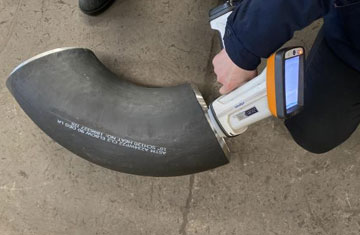
ASME B16.9 seamless buttweld concentric reducers ready for export inspection
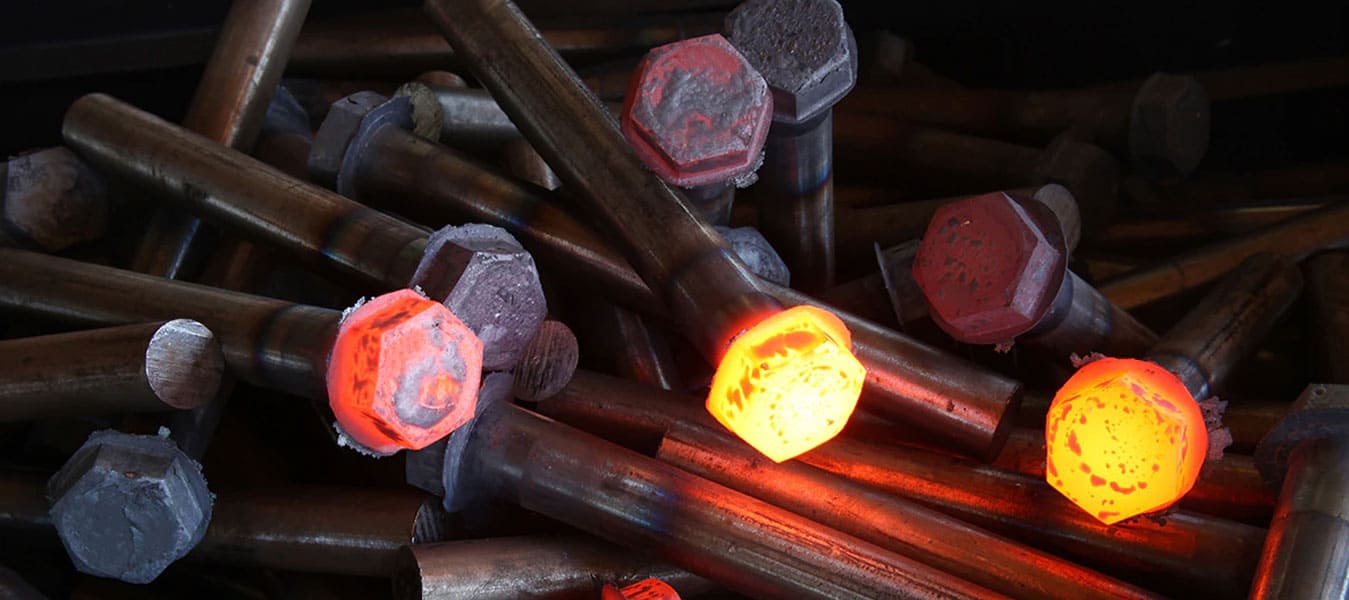
Companion high tensile fasteners and fittings manufactured in India
Rajtilak Metal buttweld concentric reducer stock and processing facility Mumbai India
1991Established Mill Exporter
Strategic Procurement & Technical Masterclass

Buttweld Concentric Reducer: The Definitive Global Sourcing, Design & Metallurgy Guide

In modern industrial process engineering, an ASME B16.9 Buttweld Concentric Reducer is far more than a simple dimensional transition fitting; it represents a critical boundary component governing hydrodynamic efficiency, boundary layer pressure drop, cavitation control, and structural fatigue resistance across mission-critical fluid circuits.

Manufactured by Rajtilak Metal in Mumbai, India—a Government of India Recognised Export House operating continuously since 1991—our buttweld concentric reducers are engineered to withstand extreme thermomechanical cyclic loads, corrosive sour services (NACE MR0175/ISO 15156), and cryogenic or superheated utility parameters.

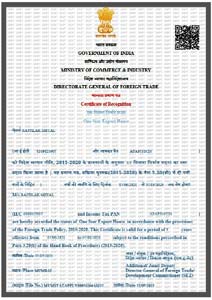
Government of India Recognised Export House Certification - Rajtilak Metal
Statutory Approvals & Critical Track Record

Certified ISO 9001 quality management, statutory EIL (Engineers India Limited) and IBR (Indian Boiler Regulations) manufacturing approvals, trusted across ADNOC, Saudi Aramco EPC subcontracts, and European plant builds.

  • Full compliance with ASME B16.9, ASME B16.25 bevels, MSS SP-75, and EN 10253 standards
  • Seamless construction from 1/2″ through 24″; cold/hot pressed welded plate constructions up to 48″ with 100% radiographic inspection (RT)
  • Dual-certified prime forgings and mother tubulars exclusively sourced from Tier-1 mills in India, South Korea, and Japan
  • Complete EN 10204 3.1 certification, unique heat code stampings, and rigorous third-party inspection (TUV, DNV, Lloyd’s, Bureau Veritas)
ISO 9001:2015 EIL Approved IBR Approved EN 10204 3.1 Traceable
Contact Us Explore Credentials
Fluid Mechanics & Design Intelligence

Hydrodynamic Dynamics: Concentric vs. Eccentric Geometry in Practice

Choosing between a concentric reducer and an eccentric reducer is a critical design step that dictates long-term plant uptime, pipeline integrity, and operational safety. Explore the core hydrodynamic differences that international EPC engineering leads evaluate.

Axial Symmetry & Pressure Recovery (Concentric)

A Buttweld Concentric Reducer is axially symmetric—shaped like a truncated cone where both the large end and small end share the exact same centerline. This structural symmetry provides unmatched advantages:

  • Symmetric Velocity Vector Distribution: Fluid acceleration or deceleration occurs uniformly around the circumference, drastically mitigating localized boundary-layer turbulence, secondary eddy currents, and erosive wear.
  • Optimal Vertical Line Placement: Concentric reducers are the universal industry standard for vertical risers and downcomers (suspension flow, superheated steam, petrochemical cracking), where gravity prevents vapor separation.
  • Pump Discharge Headers: Positioned downstream of centrifugal pumps, concentric reducers permit smooth velocity head conversion into static pressure without creating asymmetrical lateral thrust forces on pipe supports.

Centerline Offset & Phase Control (Eccentric)

Conversely, an Eccentric Reducer features an offset centerline, resulting in one straight flat side (either Flat-on-Bottom [FOB] or Flat-on-Top [FOT]). While mechanically unbalanced compared to concentric fittings, its deployment is indispensable in specific orientations:

  • Centrifugal Pump Suction (FOT): Avoids vapor pockets. Installing a concentric reducer on horizontal suction pipe creates high spots where trapped gas can cause catastrophic pump cavitation.
  • Horizontal Slurry & Liquid Lines (FOB): Eliminates pooling of entrained solids or heavy condensate along the bottom run, preventing dead-zone sludge sedimentation and localized crevice attack.
  • Rack Space Optimization: Keeps the bottom-of-pipe elevation uniform across standard pipe rack steel beams, reducing engineering complexity on complex manifold structures.
Product Recommendations

Recommended Buttweld Concentric Reducers by Service Environment

From cryogenic LNG liquefaction skids to deep-sea subsea tie-ins and ultra-supercritical boiler headers, Rajtilak Metal manufactures and stocks specialized metallurgical solutions tested for real-world extremes.

Carbon Steel Buttweld Concentric Reducer ASTM A234 WPB

Carbon Steel Reducers (ASTM A234 WPB / WPC)

Engineered for oil, gas, steam, and water pipelines operating under moderate to elevated temperatures. Sourced from fine-grain killed tubulars, normalized to guarantee uniform tensile properties, low carbon equivalents (CE ≤ 0.42), and superior field weldability.

  • NACE MR0175 Compliant: Hardness restricted below 22 HRC
  • Pressure Bores: Standard SCH 40, SCH 80, SCH 160, XXS
  • Impact Resistance: Available with ASTM A420 WPL6 for sub-zero service down to -46°C
Stainless Steel Buttweld Concentric Reducer WP304L WP316L

Stainless Steel Reducers (ASTM A403 WP304L / WP316L)

Precision-drawn concentric reducers for corrosive acids, marine atmosphere, pharmaceutical, and LNG service. Solution annealed at 1050°C followed by water quenching to prevent intergranular sensitization and preserve molybdenum passivation.

  • Chemical Processing: 316L low carbon reduces weld decay
  • Special Alloys: 904L, Alloy 20, Urea Grade stainless
  • Bores: SCH 5S, 10S, 40S, 80S with smooth electropolished ID
Duplex and Alloy Steel Concentric Reducers

Duplex & Alloy Steel Reducers (A815 / A234 WP11)

Designed for severe duty offshore sour wells and high-temperature petrochemical furnace piping. Featuring dual-phase ferritic-austenitic Duplex 2205 (UNS S31803/S32205) and Super Duplex 2507, alongside chrome-moly WP11, WP22, and WP91 alloys.

  • Pitting Resistance: PREN ≥ 42 for Super Duplex offshore
  • High Temperature: Creep-resistant WP91 for modern power cycles
  • Testing: 100% PMI, Feritscope check, ASTM G48 corrosion testing
Engineering Master Reference

ASME B16.9 Buttweld Concentric Reducer Technical Matrix

Verify dimensions, material compatibility, pressure classes, and manufacturing standards prior to issuing your bill of quantities (BOQ) or formal request for quotation (RFQ).

Reference dimensions conform to ASME B16.9, MSS SP-75, and ASME B16.25. Custom reductions and heavy-wall schedules (Schedule 160 / XXS) engineered upon request.
Parameters Technical Specification & Standard Scope Governing Codes Inspection & Quality Control Protocols
Size Range Seamless: 1/2″ through 24″ (DN 15 – DN 600)
Welded / Fabricated: 14″ through 48″ (DN 350 – DN 1200)
ASME B16.9, MSS SP-75, EN 10253 Visual, Dimensional ±1.5mm, Ovality ≤1%
Wall Thickness Schedules SCH 10, SCH 20, SCH 30, SCH STD, SCH 40, SCH 60, SCH 80, SCH 100, SCH 120, SCH 140, SCH 160, SCH XXS ASME B36.10M / B36.19M Ultrasonic Thickness Gauging (Min. 87.5% of nominal wall)
End Preparation & Bevels Plain End (t ≤ 3mm), Bevelled End (37.5° ± 2.5° with 1.6mm root face per ASME B16.25), Compound Bevel for t > 22.2mm ASME B16.25, AWS D1.1 Weld bevel gauge check, angle & root face tolerance testing
Carbon & Low-Temp Steel Grades ASTM / ASME A234 WPB, WPC, WPL6, WPHY 42, WPHY 46, WPHY 52, WPHY 60, WPHY 65, WPHY 70 ASTM A234, ASTM A420, MSS SP-75 Charpy V-notch impact down to -46°C, Tensile & Yield testing
Stainless Steel Grades ASTM / ASME A403 WP304, WP304L, WP304H, WP316, WP316L, WP316Ti, WP321, WP347, WP904L ASTM A403 / ASME SA403 Solution annealing at 1050°C, Intergranular Corrosion test (ASTM A262 Practice E)
Alloy Steel Grades ASTM / ASME A234 WP1, WP5, WP9, WP11, WP22, WP91, WP92 ASTM A234 / ASME SA234 Normalizing and tempering, Creep-rupture documentation, Hardness surveys
Duplex & Super Duplex ASTM / ASME A815 UNS S31803, UNS S32205 (2205), UNS S32750 (2507), UNS S32760 (Zeron 100) ASTM A815 / ASME SA815 Phase balance determination (40-60% ferrite), Ferric Chloride test per ASTM G48A
Nickel Alloys & Exotic Inconel 625, Incoloy 825, Hastelloy C276, Monel 400, Titanium Grades 2 & 5, Cu-Ni 90/10 & 70/30 ASTM B366 / ASME SB366 100% Positive Material Identification (PMI), Grain size determination
Enterprise Reliability & Metallurgy

Uncompromising Traceability: From Raw Billet to Final Bevel

At Rajtilak Metal, we operate under the strict tenet that a piping component is only as reliable as its audited documentation. In deep-sea extraction or high-pressure nuclear cooling systems, failure is not an option.

Every single buttweld concentric reducer rolling off our Mumbai production lines undergoes a rigorous quality lifecycle. Raw tubular stock is validated for chemical cleanliness via optical emission spectrometry, cold/hot formed under calibrated tonnage, heat treated with micro-monitored furnaces, precision CNC end-machined, and laser/dot-matrix stamped with its original heat number.

1
Prime Melt Selection

Dual-certified raw pipe/plate with low residual tramp elements.

2
Hot/Cold Forming

Hydraulic swaging & pressing avoiding structural microcracks.

3
Solution / Normalizing

Full restorative heat cycles eliminating residual weld stress.

4
3.1 Certification

Heat-code links directly to mechanical, NDT, and chemical data.

Contact Us
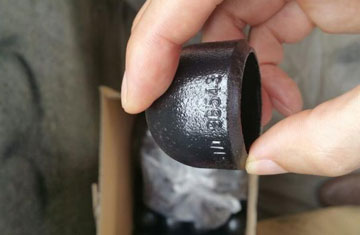
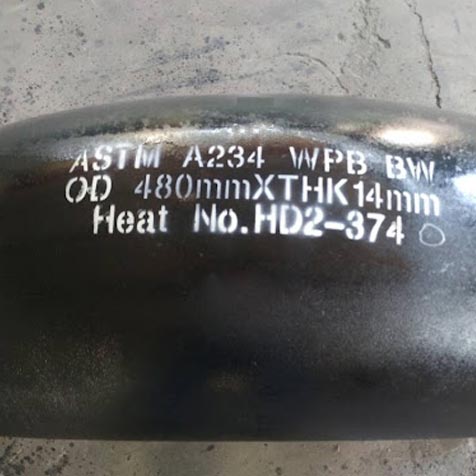
Pipe fittings heat number and grade markings for traceability
0+
In-House Metallurgy Test Stations
0%
PMI & Hydro/Radiographic Verification
0+
Years of Manufacturing Excellence (Since 1991)
0%
On-Time Global Project Deliveries
Premier Manufacturer & Government Recognized Export House Sourcing Hub Since 1991
Enterprise Competitive Advantage

Why Global EPCs Choose Rajtilak Metal for Concentric Reducers

Metallurgical Engineering Integrity

Our in-house metallurgists review pipeline engineering datasheets, Sour Gas service criteria (NACE MR0175/ISO 15156), and stringent client AMLs before material procurement begins, eliminating compliance rejections at site.

Comprehensive Project Integration

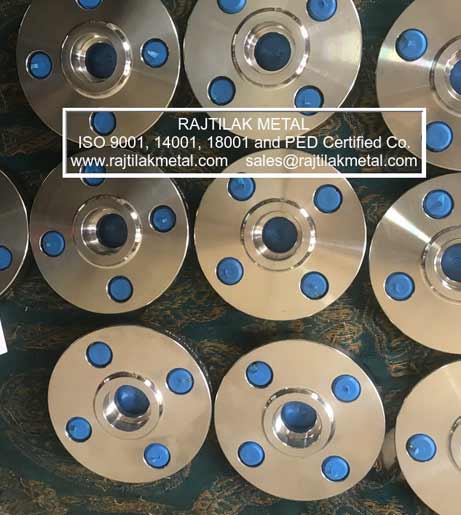
As a single-source manufacturer, Rajtilak Metal pairs your buttweld concentric reducers with matching ASME B16.5 forged flanges, forged branch fittings, and ASTM A193/A194 high tensile fasteners in full project consignments.

EIL, IBR & Global Certifications

Audited and approved by Engineers India Limited (EIL) and Indian Boiler Regulations (IBR). Operating with ISO 9001:2015 accreditation, seaworthy export packaging, and active representative channels across the USA, UK, UAE, Saudi Arabia, and Europe.

From standard carbon steel A234 WPB piping assemblies to exotic Hastelloy, Inconel, and titanium buttweld fittings, Rajtilak Metal guarantees dimensionally verified products ready for field welding, eliminating on-site fit-up delays.

Production Facility

Inside Our Forging, Machining & Hydroforming Operations

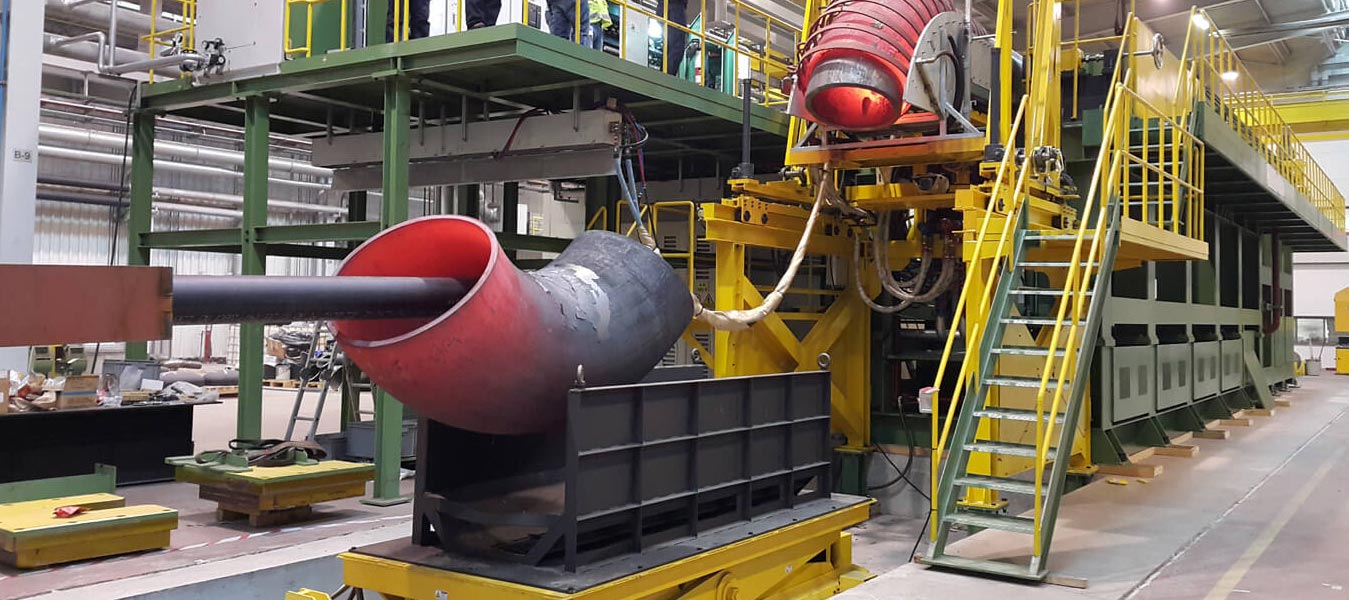
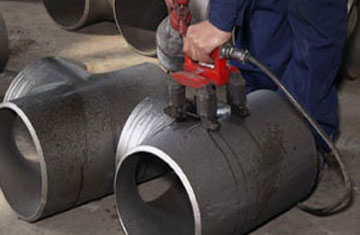
Witness how high-grade seamless pipes and formed plates are precision swaged, heat treated, CNC machined, and tested inside our Mumbai manufacturing facilities.

Seamless Swaging:

Heavy hydraulic swaging dies reduce the smaller end incrementally without causing longitudinal micro-fissuring or excessive wall attenuation.

Heat Treatment:

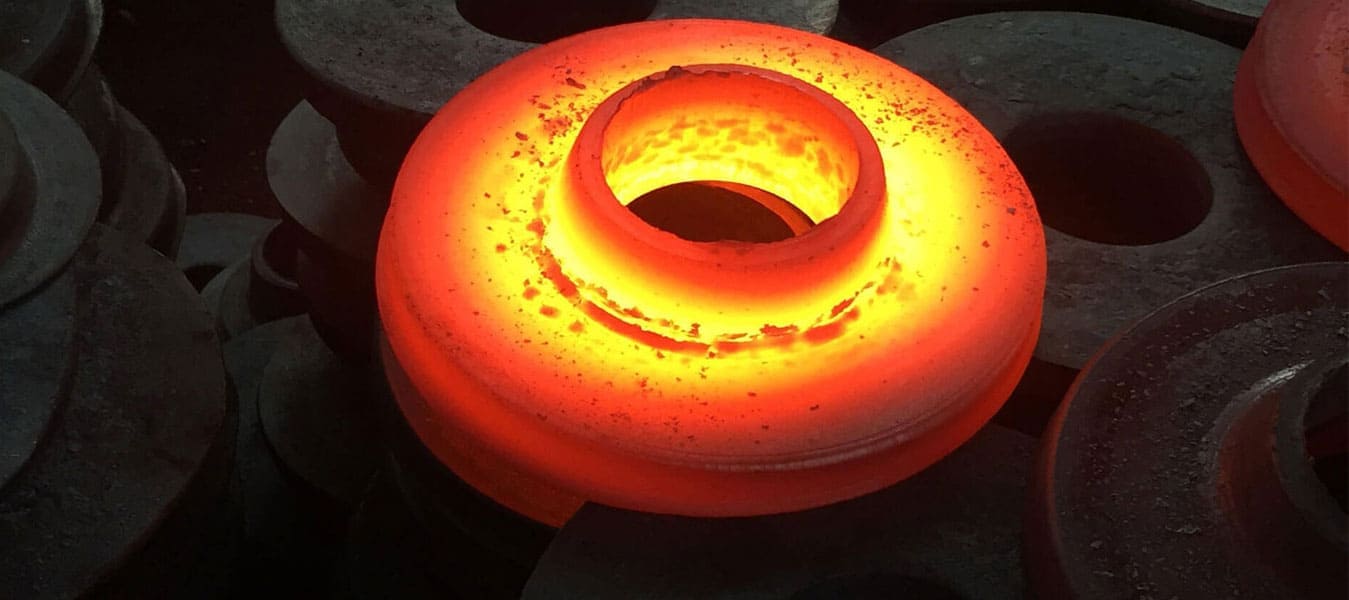
Strict normalizing or solution annealing cycles relieve forming stresses, re-crystallizing microstructures for superior ductility.

Precision Beveling:

CNC lathes machine ASME B16.25 weld bevels with exact root faces and landing angles for automated TIG/MIG field welding.

Technical FAQ

Frequently Asked Questions: Global Procurement & Engineering AI Queries

Authoritative technical answers to common questions asked by pipeline project engineers, quality control inspectors, and international procurement managers.

What is the primary engineering difference between a Buttweld Concentric Reducer and an Eccentric Reducer?

A Buttweld Concentric Reducer transitions pipe diameter along a shared central axis (cone-shaped), maintaining symmetric laminar flow in vertical lines or pump discharge headers. Because the flow acceleration or deceleration is symmetrical, it avoids generating radial fluid shear and uneven pipe reaction stresses.

An Eccentric Reducer has an offset centerline with one straight flat side (Flat-on-Top [FOT] or Flat-on-Bottom [FOB]). FOT reducers are strictly mandated on horizontal pump suction lines to eliminate vapor accumulation and prevent disastrous cavitation, while FOB reducers are installed in horizontal drainage and slurry headers to facilitate liquid drainage and prevent sludge deposition.

How does ASME B16.9 define wall thickness tolerances and end preparation for buttweld reducers?

According to ASME B16.9, the minimum wall thickness at any point across the fitting body must not be less than 87.5% of the nominal wall thickness specified by the matching pipe schedule. Sizing tolerances (outside diameter at ends) must remain within ±1.5 mm for small sizes and ±3.0 mm for large diameters.

Weld end preparations must comply with ASME B16.25. For pipe wall thickness between 5 mm and 22 mm, the ends are prepared with a standard bevel angle of 37.5° ± 2.5° and a root face land of 1.6 mm ± 0.8 mm. When connecting pipes of unequal wall thickness, the interior bore of the reducer must be tapered at a slope not exceeding 1:3 (approximately 18°) to ensure smooth stress transition.

Which manufacturing methods are employed for seamless vs welded concentric reducers?

Seamless Concentric Reducers are manufactured from hot-finished or cold-drawn seamless pipe via hot forming, cold hydraulic pressing, or outer die swaging followed by sizing and post-forming heat treatment. Seamless construction is mandatory in ultra-high-pressure applications, lethal chemical services, and offshore flowlines.

Welded Concentric Reducers (typically 14 inches and larger) are manufactured from boiler-quality ASTM plate formed into half-shells or conical shapes, joined via submerged arc welding (SAW) or automated TIG welding. All longitudinal welds undergo 100% radiographic (RT) or ultrasonic (UT) inspection to ensure a joint efficiency of E = 1.0 per ASME Section VIII Division 1.

What metallurgical quality documentation must accompany global project consignments?

International piping specifications mandate an EN 10204 Type 3.1 Inspection Certificate that documents: (1) chemical composition by heat number (OES analysis), (2) tensile, yield, and elongation test results, (3) Charpy V-Notch impact testing at design sub-zero temperatures (e.g., -46°C for ASTM A420 WPL6), (4) hardness surveys verifying compliance with NACE MR0175/ISO 15156 (≤ 22 HRC), (5) hydrostatic or 100% NDT inspection reports (RT, UT, DPI, MPI), and (6) Positive Material Identification (PMI) confirming elemental alloy levels.

Why is India, and specifically Rajtilak Metal, a preferred sourcing hub over high-cost European or uncertain suppliers?

Rajtilak Metal combines 30+ years of forging precision, full EIL & IBR statutory approvals, Government of India Recognized Export House standing, and proximity to Mumbai's major seaports. We provide audited supply integrity, Western-tier metallurgical compliance, dual-certified prime raw materials, and significant cost advantages with shorter lead times.

Proven Engineering Footprint

Critical Sectors Relying on Our Buttweld Reducer Assemblies

Rajtilak Metal supplies audited piping materials to high-consequence projects across the Middle East, Southeast Asia, Europe, and the Americas.

Upstream Oil & Gas
Refinery Cracking Units
Offshore Platforms
Power & Supercritical Boilers
Chemical Processing
Desalination & LNG Skids
Saudi Arabia (KSA)United Arab Emirates (UAE)QatarOmanKuwaitSingaporeMalaysiaIndonesiaPolandItalyGermanyUnited States (USA)United Kingdom (UK)

Ready to Source High-Integrity Buttweld Concentric Reducers?

Get factory pricing, complete MTC packages, and immediate stock allocation from Mumbai.

Direct Engineering RFQ[email protected]