Engineering Knowledge Base
Frequently Asked Questions on ASME B16.11 Threaded Elbows
Direct technical answers to the most common queries raised by piping engineers, project inspectors, and international procurement specialists.
What is an ASME B16.11 Threaded Elbow and what are its standard pressure classes?
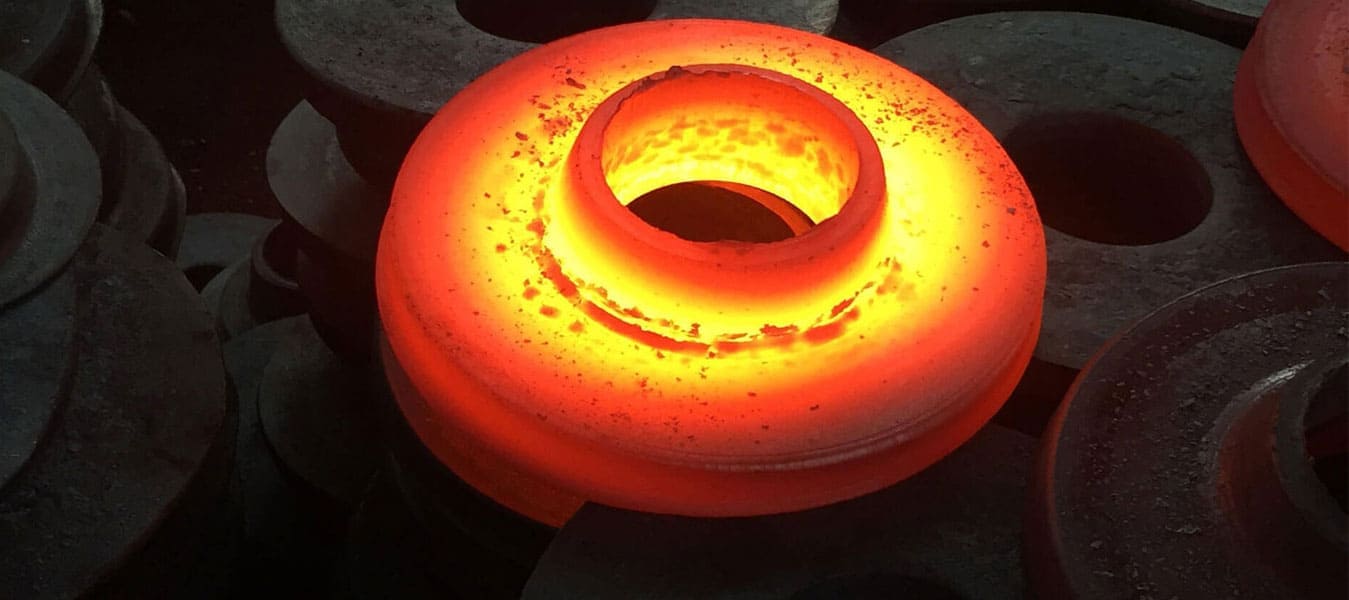
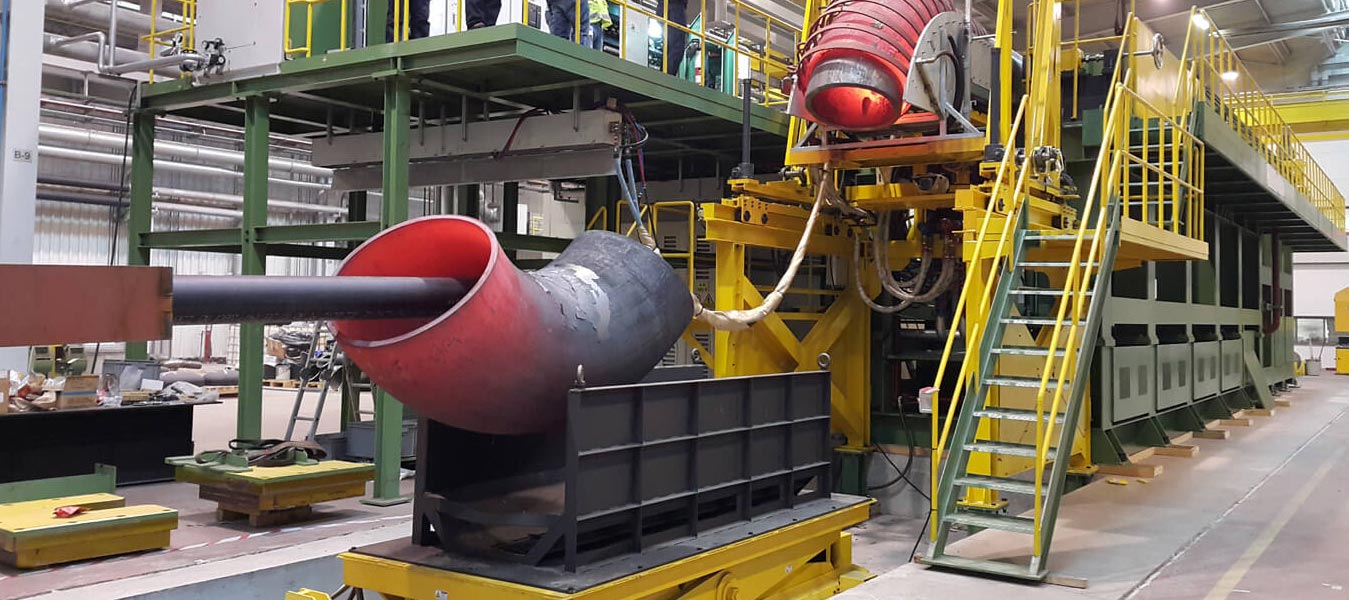
An ASME B16.11 Threaded Elbow is a heavy-duty, forged pipe fitting utilized to join pipe lengths or change flow orientation by 90 or 45 degrees in small-bore piping systems (typically NPS 1/8 to NPS 4). Under the ASME B16.11 standard, threaded fittings are designated into three distinct pressure classes: Class 2000, Class 3000, and Class 6000. These ratings reflect the design pressure of the mating pipe schedule. Class 2000 corresponds to Schedule 80 pipe wall thickness, Class 3000 corresponds to Schedule 160, and Class 6000 corresponds to Schedule XXS (Double Extra Strong) piping.
What is the difference between an ASME B16.11 Threaded Elbow and a Socket Weld Elbow?
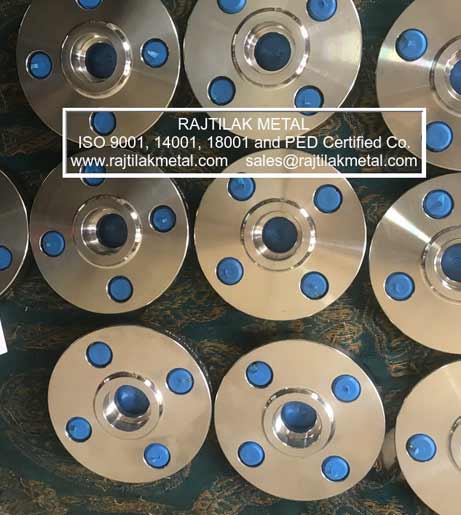
The fundamental distinction lies in the pipe-to-fitting mechanical connection method. A threaded elbow utilizes precision-cut internal female taper threads (NPT) that mechanically engage with male pipe threads, providing a leak-tight seal through thread interference and appropriate thread sealant without welding. This makes threaded elbows essential in areas where open-flame hot work is strictly prohibited. Conversely, a socket weld (SW) elbow requires the pipe to be inserted into a recessed socket and fillet-welded around the rim. While socket weld fittings provide higher fatigue resistance against extreme pulsing vibrations, threaded elbows offer unmatched disassembly convenience, modular maintenance capabilities, and zero risk of weld-induced thermal distortion.
Can ASME B16.11 Threaded Elbows be supplied in both NPT and BSPT thread profiles?
Yes. Rajtilak Metal manufactures and machines threaded elbows to both major global standards. NPT threads are produced in accordance with ASME B1.20.1 (National Pipe Taper), featuring a 60-degree flank angle with a 1-in-16 taper angle along the cone axis. For European, British, and marine Commonwealth projects, we manufacture British Standard Pipe Taper threads (BSPT / RC) in strict conformance with ISO 7-1 and EN 10226-1, which feature a 55-degree thread angle and radiused roots and crests. Clear markings on the fitting body indicate the thread standard to prevent field cross-threading.
Which raw material specifications are used for ASME B16.11 Forged Elbows?
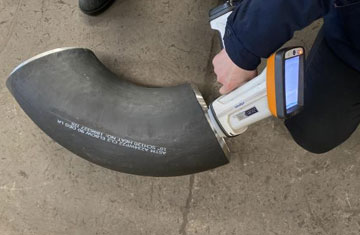
Threaded elbows are forged exclusively from high-integrity forging grades. Common carbon steels include ASTM A105 and low-temperature carbon steel ASTM A350 LF2 (Classes 1 and 2). For corrosion-resistant and sanitary operations, we use austenitic stainless steels conforming to ASTM A182 (F304, F304L, F316, F316L, F321, and F347). For high-pressure sour gas and deep offshore service, we forge in Duplex UNS S31803 / S32205 (F51), Super Duplex UNS S32750 (F53), as well as nickel alloys such as Inconel 625 (UNS N06625), Hastelloy C276 (UNS N10276), and Monel 400.
How do you ensure leak-free integrity and prevent thread galling in stainless steel threaded elbows?
Thread galling in austenitic stainless steels (such as 304L and 316L) occurs under high contact pressure due to microscopic cold-welding of mating metal asperities. Rajtilak Metal combats this by utilizing computerized CNC single-point threading with micro-finished thread flanks that eliminate surface tearing. Furthermore, we supply our stainless elbows with optional passivation and specialized dry-film anti-seize or PTFE lubrication coatings. During installation, field crews must apply high-density anaerobic PTFE paste or nickel-impregnated thread sealant tape to ensure positive sealing and trouble-free maintenance disassembly.
What test certifications and third-party inspection options accompany our elbow shipments?
Every shipment dispatched by Rajtilak Metal includes a certified EN 10204 Type 3.1 Mill Test Certificate that documents the exact chemical heat analysis, mechanical tensile and yield values, elongation percentage, Brinell/Rockwell hardness ratings, and Charpy V-Notch low-temperature impact test data (for LTCS). Fittings are also available with EN 10204 Type 3.2 certification co-signed by leading independent inspection authorities such as Lloyd's Register, DNV, Bureau Veritas, SGS, or TÜV.