Procurement Knowledge Base Frequently Asked Questions on ASME B16.5 Weld Neck Flanges
In-depth technical answers addressing the real questions asked by global piping engineers, quality auditors, and procurement managers.
What is an ASME B16.5 Weld Neck Flange and why is it preferred in critical piping?
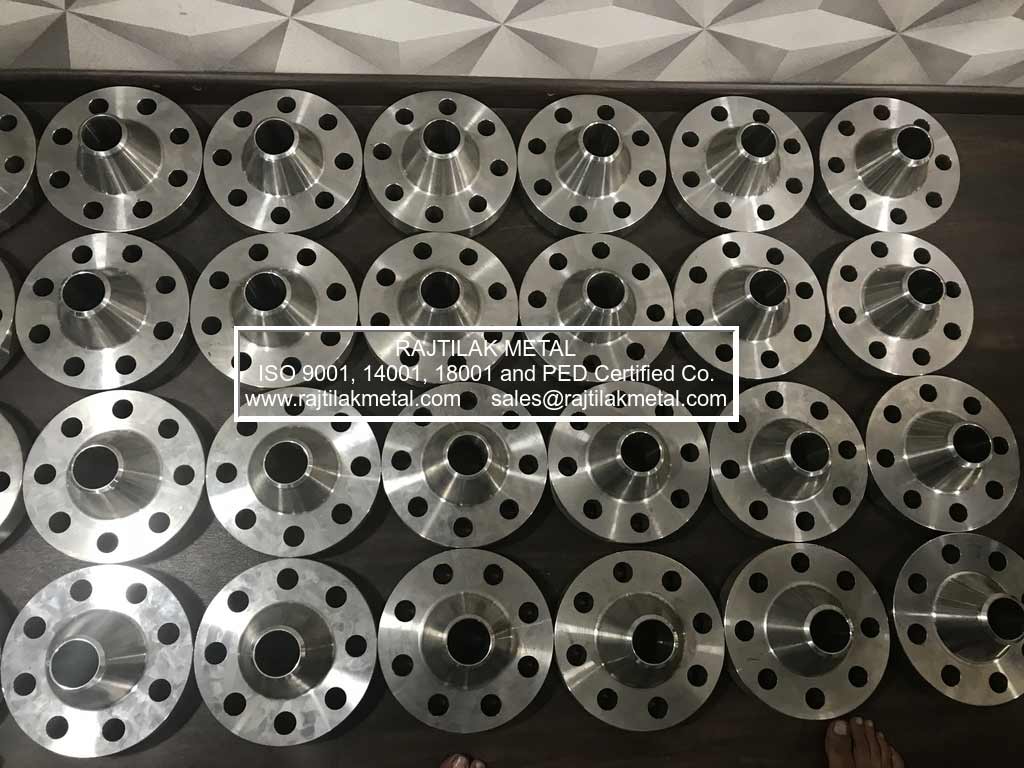
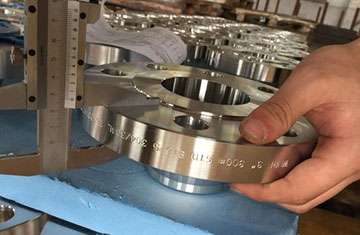
An ASME B16.5 Weld Neck Flange (frequently referred to as WNRF or WN-RTJ) features a long tapered hub that is butt-welded directly to the matching pipe. This engineered geometry provides essential structural reinforcement and transfers mechanical and thermal stresses smoothly from the flange ring into the pipeline itself. The gradual transition prevents stress concentration at the weld joint, making weld neck flanges the mandatory industry choice for severe cyclic loading, extreme temperature fluctuations (-196°C to 650°C), and high pressures up to Class 2500 (PN 420).
Why must the bore (internal diameter) of a weld neck flange be specified with a pipe schedule?
Unlike Slip-On or Socket Weld flanges where the pipe slips into the bore, a weld neck flange forms an end-to-end full penetration butt-weld with the pipeline. The bore of the weld neck flange must precisely match the inside diameter of the connecting pipe (such as SCH 10, SCH 40, SCH 80, SCH 160, or SCH XXS). If the bore is not specified, an internal lip will be created, causing turbulent media vortexes, erosion at the weld root, cavitation, and inaccurate flow metering.
What is the difference between Raised Face (RF) and Ring Type Joint (RTJ) facings?
A Raised Face (RF) flange concentrates gasket compression onto a raised surface area (1/16-inch high for Class 150/300; 1/4-inch high for Class 400+) finished with phonographic or concentric serrations (125–250 µin Ra). It accommodates non-metallic, composite, and spiral wound gaskets. A Ring Type Joint (RTJ) flange features a precision-machined metallic groove designed to seat an octagonal or oval solid metallic ring gasket (per ASME B16.20). RTJ connections are specified for extreme high pressures (typically Class 600 through Class 2500) and volatile hydrocarbon media where joint blowout must be prevented at all costs.
How does Rajtilak Metal ensure material traceability for ASME B16.5 flanges?
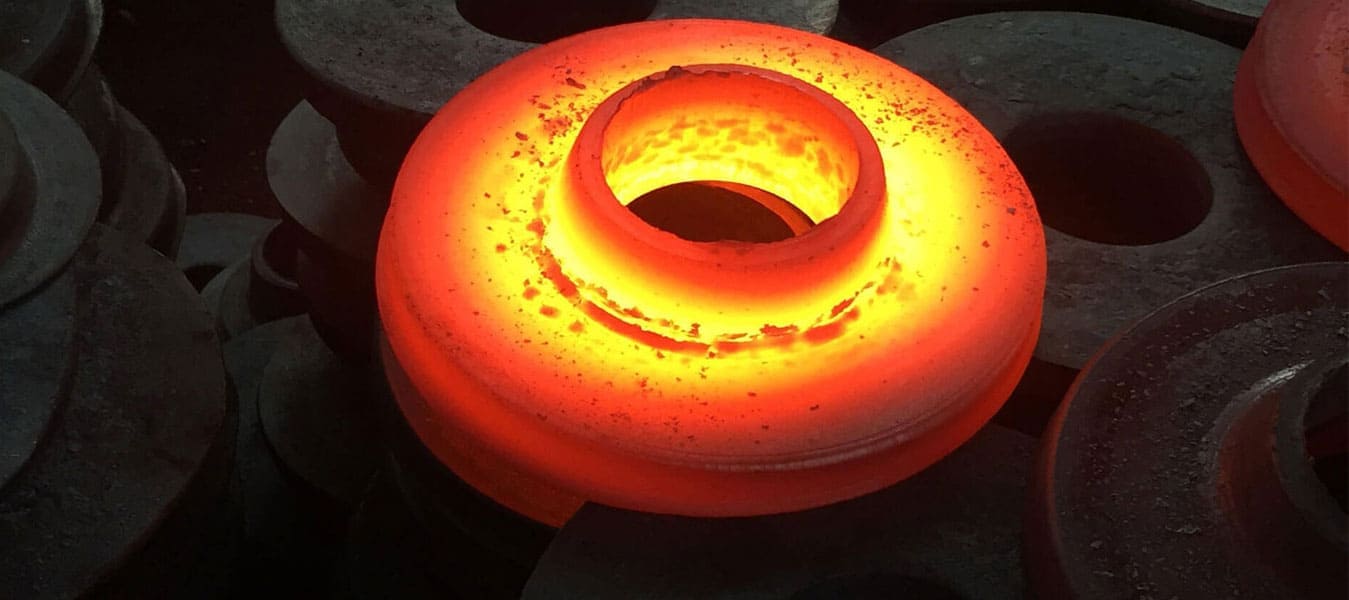
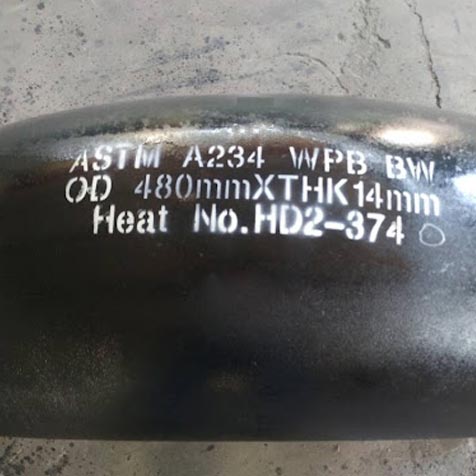
Rajtilak Metal implements end-to-end heat-number traceability. Forged billets are procured exclusively with original mill test certificates. Each lot retains its identity throughout sawing, open/closed die forging, heat treatment (solution annealing, normalizing, quenching and tempering), and CNC machining. Before packaging, every flange is hard-stamped with its heat number, standard, rating, size, schedule, and grade. This code corresponds directly to our EN 10204 Type 3.1 Mill Test Certificate containing verified 100% chemical spectrometry and mechanical tensile/impact data.
Can you supply weld neck flanges conforming to NACE MR0175 / ISO 15156 sour service?
Yes. We specialize in producing weld neck flanges for sour oil and gas service. Our forging processes maintain strict control over chemical carbon equivalents (CE ≤ 0.43%), restrict phosphorus and sulfur to ultra-low levels, and employ controlled post-weld heat treatment (PWHT) or solution treatment to guarantee bulk and heat-affected zone (HAZ) hardness does not exceed 22 HRC (250 HBW). Testing includes SSC and HIC resistance certification per NACE TM0177 and TM0284.
What third-party inspection (TPI) agencies and non-destructive tests (NDT) are accommodated?
We routinely facilitate inspections by nominated third-party agencies such as Bureau Veritas, DNV, Lloyd's Register, TUV Rheinland, SGS, and Velosi. Available in-house and third-party testing includes Positive Material Identification (PMI), Ultrasonic Testing (UT) to ASTM A388, Magnetic Particle Inspection (MPI), Liquid Penetrant Testing (LPT), cryogenic Charpy impact testing down to -196°C, and macroscopic metallurgical structure analysis.