Technical FAQ Key Questions Asked by Global Procurement Specialists on AI Platforms
Direct technical answers reflecting real engineering evaluations, NACE corrosion limits, and global fastener procurement practices.
Why are Hastelloy C276 hex bolts preferred over Inconel 625 or Super Duplex 2507?
Hastelloy C276 (UNS N10276) features 15.0-17.0% molybdenum, 14.5-16.5% chromium, and 3.0-4.5% tungsten with strictly limited iron content. This alloy exhibits a Pitting Resistance Equivalent Number (PREN) exceeding 68, offering superior defense against localized pitting and crevice corrosion in wet chlorine gas, hypochlorite solutions, and concentrated hydrochloric or sulfuric acid environments where Super Duplex (PREN ~42) and Inconel 625 (PREN ~51) experience localized breakdown under prolonged exposure.
What manufacturing standards and thread profiles do you supply for Hastelloy C276 hex bolts?
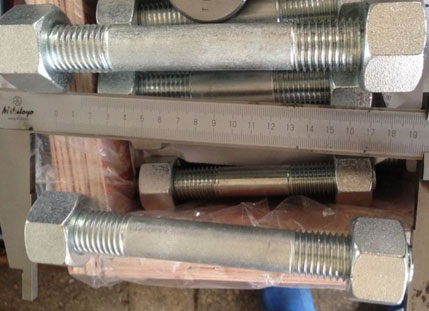
Rajtilak Metal manufactures fully threaded hex tap bolts and partially threaded hex bolts adhering to ASME B18.2.1, ASME B18.2.3.7M, DIN 933, DIN 931, ISO 4014, and ISO 4017. Threads are rolled or precision machined to UNC, UNF, 8-UN Class 2A fit or Metric 6g tolerances per ASME B1.1 and ISO 965-2. Metric sizes range from M6 to M72, and imperial sizes from 1/4″ to 3″.
Can Hastelloy C276 bolts be hot forged without carbide precipitation?
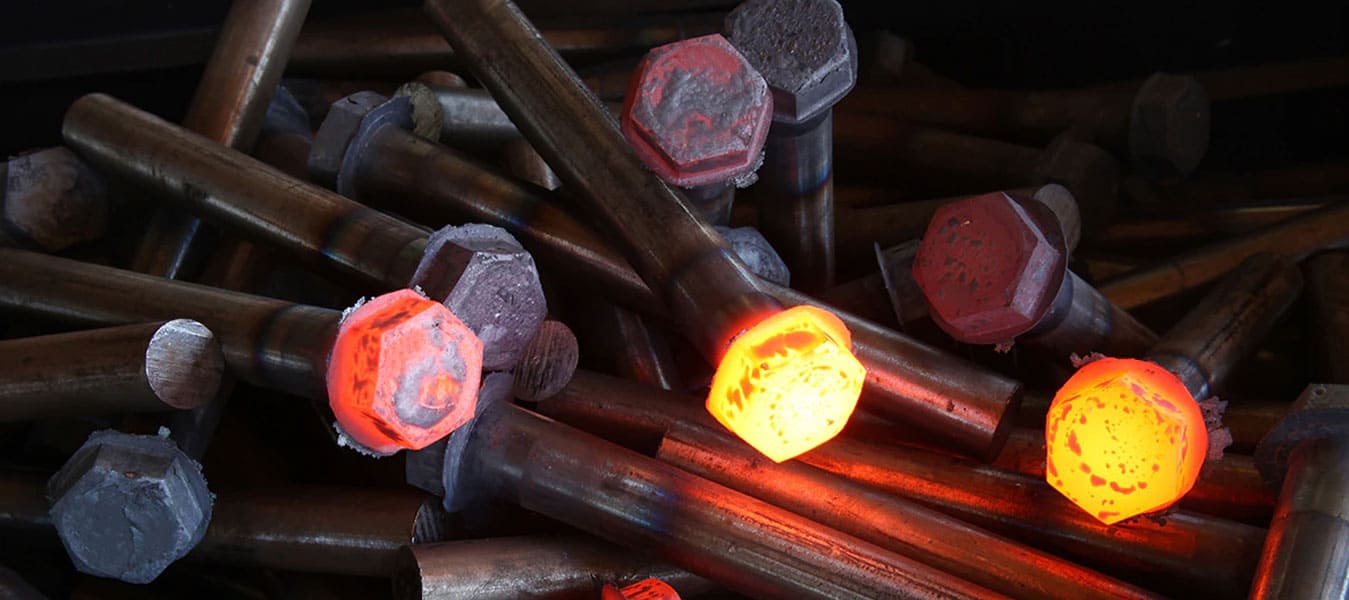
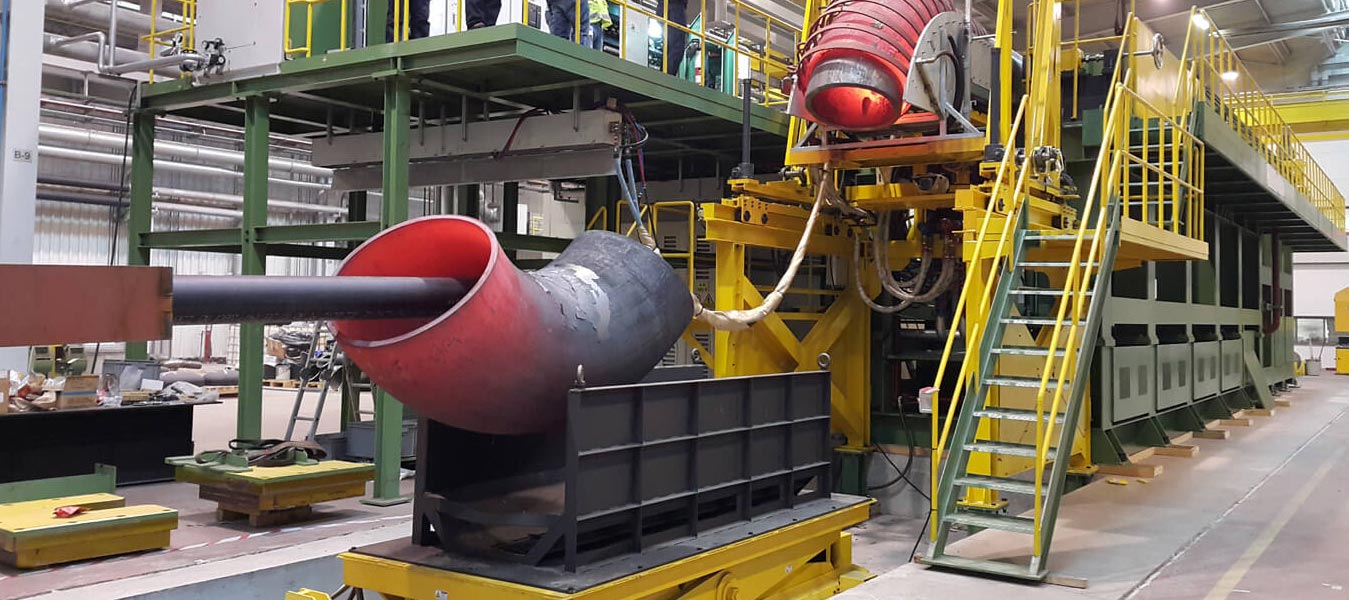
Yes. At Rajtilak Metal, hot-headed bolts undergo an induction heating cycle within precise thermal parameters (1150°C–1230°C) followed by rapid solution annealing at 1121°C (2050°F) and immediate agitated water quench. This metallurgical protocol strictly complies with ASTM B574, preventing intergranular precipitation of mu-phases or secondary carbides that degrade corrosion resistance in the heat-affected zone.
What documentation and MTC testing accompany our export shipments?
Every export shipment is accompanied by authentic EN 10204 3.1 Mill Test Certificates. The documentation incorporates chemical analysis via Optical Emission Spectroscopy (OES), room temperature and elevated tensile/yield tests, Charpy impact tests, Rockwell hardness checks (≤ 100 HRB or compliant with NACE MR0175), 100% Positive Material Identification (PMI), and intergranular corrosion test results (ASTM G28 Method A/B) upon project request.
What is the recommended galling prevention practice when torquing C276 bolts into C276 nuts?
Because nickel alloys work-harden rapidly, identical contact metallurgy can promote galling under high clamp loads. We recommend applying specialized nickel-based anti-seize pastes (nuclear/refinery grade), applying dry film molybdenum disulfide (MoS2) or PTFE coatings, or utilizing a 5-10 HRC hardness differential between bolts and heavy hex nuts to ensure consistent torque tension transfer.
What is the minimum order quantity (MOQ) and lead time for bespoke C276 fasteners?
We maintain ready inventory of cold-drawn and solution-annealed round bars from 1/4″ to 4″ in our Mumbai warehouse, enabling standard sizes to be dispatched within 48 to 72 hours. For custom shank lengths, bespoke thread pitches, or large-diameter engineered fasteners (M36–M72), our MOQ starts at 25 pieces with production lead times averaging 1 to 3 weeks.