
Supplying rigorous ASME B16.5, DIN, and EN 1092-1 compliant components backed by EN 10204 3.1 certification, factory direct testing, and comprehensive BV/TUV pre-shipment clearance.
A rigorous examination of design calculations, CE-PED harmonized standards, material chemistry, and sour service resilience for major Iraqi energy corridors.
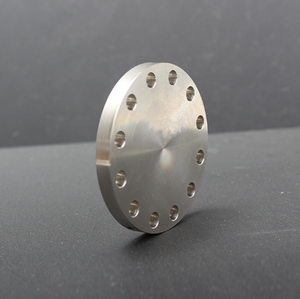
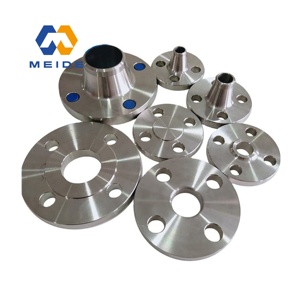
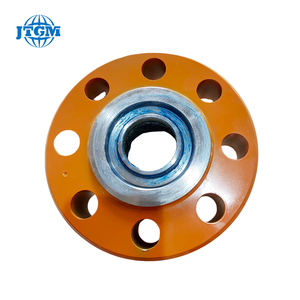
Blind flanges (also known as blanking flanges) represent one of the most critical structural barriers in pressurized piping systems. Unlike weld neck or slip-on flanges that facilitate fluid transit, a blind flange is subjected to the total internal system pressure over its entire cross-sectional area, along with high mechanical bolting stresses.
For engineering contractors executing EPC packages across the Republic of Iraq—such as the Basra Gas Company (BGC) initiatives, South Gas Project, and Missan crude transmission lines—ensuring hydrostatic containment demands stringent adherence to CE marking under the Pressure Equipment Directive (PED 2014/68/EU), ASME B16.5, and EN 1092-1 Type 05 specifications.
In high-pressure Iraqi installations spanning Class 150 up to Class 2500 (or PN 10 through PN 420), a forged blind flange provides structural resistance against fatigue rupture caused by fluid hydraulic hammer, high flow surges, and extreme diurnal desert temperature variations ranging from 0°C during winter nights to over 55°C during peak summer months.
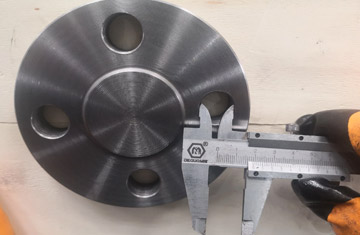
Full CE certification ensures our pressure retaining forgings satisfy essential European safety requirements under Module H/H1, covering raw material traceability, non-destructive testing (NDT), and hydrostatic design verification.
Iraqi crudes from the Rumaila, Zubair, and Kirkuk formations feature severe wet H2S concentrations. Our blind flanges are formulated with stringent carbon equivalents (CE ≤ 0.41%) and restricted sulfur (S ≤ 0.005%) to thwart cracking.
From Class 150 Raised Face (RF) to Class 2500 Ring Type Joint (RTJ), our CNC facing lathes impart precise serration depths to ensure complete gasket entrapment under critical bolting loads without thermal relaxation.
Compare ASTM, ASME, and European grade equivalents manufactured with full chemical and mechanical certification for Iraqi projects.
| Material Grade | Governing Standard | Tensile / Yield (MPa) | Operating Temp Range | Typical Project Application in Iraq | Inspection / Testing Regime |
|---|---|---|---|---|---|
| ASTM A105 / A105N | ASME B16.5 / CE PED | ≥ 485 / ≥ 250 | -29°C to 425°C | Standard crude headers, Baiji & Basra water lines | UT, MPI, 100% Hydrostatic, Hardness ≤ 187 HBW |
| ASTM A350 LF2 Class 1 | ASME B16.5 / PED | ≥ 485 / ≥ 250 | -46°C to 345°C | LPG/NGL chilling plants, South Gas Company units | Charpy V-Notch @ -46°C ≥ 27J, NACE MR0175 compliant |
| ASTM A182 F316 / F316L | ASME B16.5 / EN 1092-1 | ≥ 485 / ≥ 170 | -196°C to 550°C | Acid gas scrubbing, sour water strippers, caustic handling | PMI spectral analysis, Intergranular corrosion (ASTM A262E) |
| ASTM A182 F51 (Duplex 2205) | ASME B16.5 / PED | ≥ 620 / ≥ 450 | -50°C to 280°C | High-salinity produced water reinjection in West Qurna | Ferrite check 40–60%, Pitting Resistance (PREN ≥ 34) |
| ASTM A182 F11 / F22 | ASME B16.5 / PED | ≥ 415 / ≥ 205 | Up to 590°C | Delayed coking, hydrotreater heaters at Karbala Refinery | High-temp tensile verification, Ultrasonic inspection per ASME V |
| P245GH / P250GH | EN 1092-1 Type 05 | ≥ 410 / ≥ 250 | -10°C to 450°C | European-designed power plants and boiler installations | CE Notified Body witness, EN 10204 3.1 chemical verification |
From the supergiant southern oil fields to northern refining complexes, our CE certified blind flanges perform pivotal safety and isolation tasks.
Installed at oil-gas separation batteries in North Rumaila and Halfaya to safely seal bypass bypass headers, maintenance manifolds, and future tie-in connection spools under operating pressures up to Class 1500.
Crucial Factor: High sour resistance to prevent sulfide stress cracking from wet hydrogen sulfide and carbon dioxide gas mixes.
During catalyst turnaround or high-pressure unit maintenance in atmospheric and vacuum distillation units, CE certified forged blind flanges provide impenetrable positive mechanical isolation required by international plant safety audits.
Crucial Factor: Elevated temperature ratings utilizing ASTM A182 F11 and low-carbon austenitic 316L stainless steel.
Massive water injection lines drawing treated seawater from the Arabian Gulf into Basra formations utilize blind flanges rated for high-chlorinity brackish water, sealing test ports, flow meter runs, and branch saddles.
Crucial Factor: Duplex 2205 (UNS S31803) and 316L materials preventing severe pitting and crevice corrosion attack.
Al Başrah and Khor Al Amaya offshore oil terminals require heavy-wall forged Class 600 through Class 2500 RTJ blind flanges on subsea manifold tie-ins, single point mooring (SPM) testing, and tanker loading arms.
Crucial Factor: Tough ring joint grooves machined to Ra ≤ 1.6 μm with octagonal soft iron or 316L ring gaskets.
Reconstruction projects across Mosul, Anbar, and Kirkuk demand dependable PN10 and PN16 blind flanges for pumping station pressure tests, reservoir isolating valves, and urban bulk distribution manifolds.
Crucial Factor: Heavy black anti-rust protective coating and hot-dip galvanizing to withstand aggressive soil chemistry.
Combined cycle gas turbine (CCGT) stations across Baghdad and Basra install ASTM A182 alloy and stainless blind flanges in high-temperature steam bypasses, superheater blowdown headers, and fuel gas regulation skids.
Crucial Factor: Thermal creep resistance and precise flat face or raised face machining to preserve gasket torque.
Key regulatory shifts, standard harmonizations, and logistical realities shaping oil & gas procurement for state-owned operators and international oil companies (IOCs).
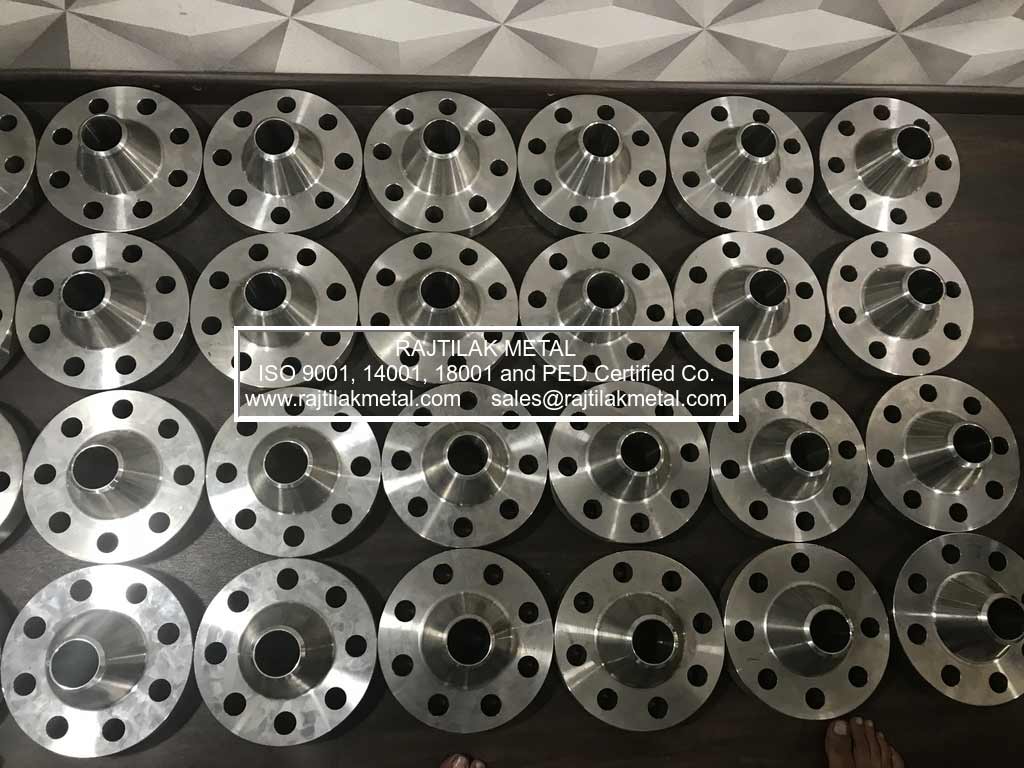
Procurement teams for the Ministry of Oil (MoO), South Refineries Company (SRC), Midland Refineries Company (MRC), and Basra Oil Company (BOC) increasingly mandate third-party Verification of Conformity (VOC) regulated by the Central Organization for Standardization and Quality Control (COSQC).
All imported blind flanges and pressure fittings entering Iraq through Umm Qasr Port or Khor Al-Zubair must be accompanied by an Inspection Certificate issued by certified testing agencies such as Bureau Veritas (BV), TÜV Rheinland, or SGS. Uncertified consignments face extensive customs quarantine and re-testing penalties at the border.
As an experienced global exporter, our manufacturing plants coordinate directly with nominated inspection agencies in Mumbai. We facilitate full mill witness inspections, chemical check analysis, ultrasonic thickness mapping, and hydro-testing prior to sealing shipping containers, ensuring smooth customs release upon arrival.
While legacy Soviet and European installations across Iraq utilize DIN and EN 1092-1 metric flange ratings (such as PN 16, PN 25, PN 40), modern expansion projects managed by international operators (TotalEnergies, BP, PetroChina, Eni) operate predominantly under American ASME B16.5 standards. We supply dual-certified and dimensionally matched flanges that allow seamless bridging between European-designed legacy equipment and modern ASME header expansions.
Logistical reliability to Iraq hinges on streamlined freight management. Consignments destined for southern Iraqi oil hubs are routed via standard container or breakbulk carriers directly into Umm Qasr Port. For expedited workover schedules, air-freight corridors into Basra International Airport or Baghdad are utilized. All items are packed in heavy-duty ISPM 15 heat-treated fumigated wooden crates with VCI corrosion inhibitor wrapping.
Established in 1991 in Mumbai, India, our company stands as a Government of India Recognised Export House, ISO certified, and approved by premier engineering authorities including EIL and IBR.
Fully approved by Engineers India Limited (EIL) and Indian Boiler Regulations (IBR), qualifying our forgings for the most stringent hydrocarbon and extreme steam regimes worldwide.
Every blind flange is stamped with heat melt numbers, size, rating, and manufacturer identification, tying back permanently to the EN 10204 3.1 mill test certificate with zero ambiguity.
Our internal testing laboratory houses high-resolution optical emission spectrometers, universal tensile testers, Charpy impact rigs, Brinell hardness meters, and hydrostatic test stands.
Established vendor on ADNOC-approved projects and regular supplier to EPC accounts across the UAE, Saudi Arabia, Qatar, Oman, and Iraq with consistent 98% on-time delivery.
Ensure leak-tight joint reliability with high-tensile stud bolts and complementary forged components matching your blind flange pressure class.
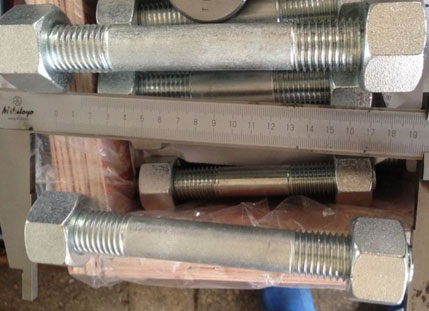
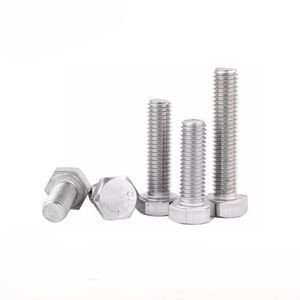
Flange integrity requires matching fastener tensile strength. We supply ASTM A193 Grade B7, B7M, B8, B8M, and B16 stud bolts paired with ASTM A194 Grade 2H and Grade 8M heavy hex nuts, coated with PTFE, Xylan, or hot-dip zinc for anti-corrosion protection.
Send an Inquiry
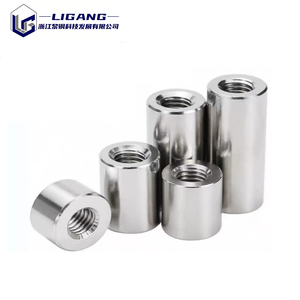
For operations requiring frequent positive line isolation without unbolting long pipeline runs, we forge spectacle blinds, spade blanks, and spacer rings in ASME B16.48, Class 150 through Class 2500, matching blind flange thicknesses.
Send an Inquiry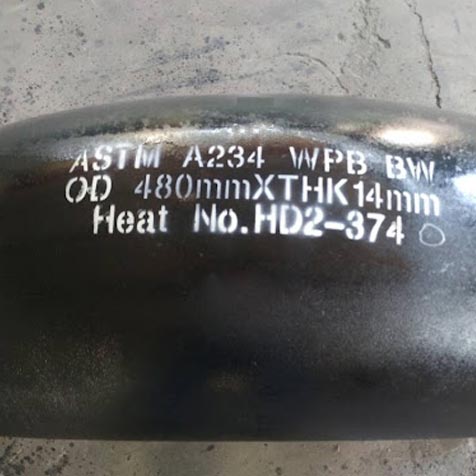
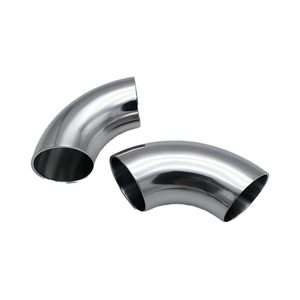
Complete your spools with our ASME B16.9 elbows, concentric and eccentric reducers, equal and reducing tees, and end caps in ASTM A234 WPB, WP11, WP22, and stainless 304L/316L, fully aligned with blind flange pressure schedules.
Send an InquiryDetailed technical, compliance, and commercial guidance addressing common inquiries from contractors in Basra, Baghdad, Erbil, and Sulaymaniyah.
Submit your line item specifications, bill of quantities (BOQ), or project datasheets. Our dedicated Middle East technical sales desk delivers comprehensive commercial proposals, MTC reviews, and logistics clearance schedules within 24 hours.
Send an Inquiry