Engineered for mission-critical pressure containment in high-corrosion, cyclic, and severe subsea offshore environments. Directly manufactured and verified under rigorous quality control standards.
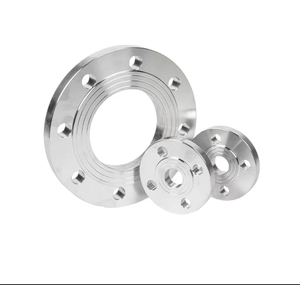
A technical overview of compliance demands, material specifications, and regulatory frameworks across South America's largest energy producer.
Brazil’s industrial landscape represents one of the world's most demanding environments for piping infrastructure. Driven primarily by ultra-deepwater exploration in the Santos and Campos pre-salt basins (Pré-Sal), expansive mining corridors across Minas Gerais and Pará, and massive agro-industrial ethanol processing complexes in the Center-South, structural integrity in fluid conveyance is paramount. Sourcing carbon steel flanges for Brazilian destinations is not merely a matter of dimensional compliance to ASME B16.5 or ASME B16.47; it demands absolute conformance to stringent metallurgical protocols, NACE MR0175/ISO 15156 sour gas thresholds, and mandatory regulatory standards enforced by the Brazilian Ministry of Labor and Employment under NR-13 (Norma Regulamentadora 13 - Boilers, Pressure Vessels, and Piping Systems).
Regulatory Focus (NR-13 & ANP): Under Brazilian law NR-13, every pressurized spool operating within petrochemical refineries, offshore FPSO topsides, or thermal power plants must be traceable to its original heat charge. Foreign forged flange factories exporting to Santos, Rio de Janeiro, or Paranaguá must guarantee 100% heat code traceability accompanied by EN 10204 Type 3.1 inspection documentation containing verified chemical composition and Charpy V-notch impact toughness values.
Forged carbon steel flanges deployed across Brazil must overcome varied operating stresses. In offshore oil and gas production, standard un-normalized carbon steel is frequently rejected due to brittle fracture risks under high hydrostatic and dynamic wave loads. For offshore platforms, ASTM A105N (normalized) or ASTM A350 LF2 Class 1 low-temperature forged carbon steel is specified across Class 150 through Class 2500 ratings. Furthermore, in subsea manifolds and topside slug catchers operating under high reservoir pressures up to 10,000 psi, high-yield micro-alloyed carbon steels compliant with ASTM A694 (Grades F52, F60, F65, and F70) are required to balance wall-thickness limitations with high tensile resilience.
Comparative technical parameters governing forging, heat treatment, and mechanical criteria for Brazilian project procurement.
| Standard / Grade | Material Classification | Yield Strength (min) | Tensile Strength (min) | Charpy Impact Test Temp | Primary Brazilian Industrial Use |
|---|---|---|---|---|---|
| ASTM A105 / A105N | Forged Carbon Steel (Normalized) | 250 MPa (36 ksi) | 485 MPa (70 ksi) | -29°C (Standard for Normalized) | Refineries (REDUC, REPLAN), chemical process piping, utility steam |
| ASTM A350 LF2 Cl.1 | Low-Temperature Carbon Steel | 250 MPa (36 ksi) | 485 - 655 MPa | -46°C (≥ 20 J average) | Pré-Sal FPSO topsides, gas processing plants (GasLub / Comperj), LNG lines |
| ASTM A694 F52 - F65 | High-Yield Micro-Alloyed Forging | 360 - 450 MPa | 455 - 530 MPa | -20°C to -46°C (Per Spec) | High-pressure offshore riser systems, pipeline manifold tie-ins, export lines |
| EN 1092-1 P245GH | Non-alloy Pressure Vessel Steel | 245 MPa | 410 - 540 MPa | 0°C / -20°C optional | European OEM package skids, power generation turbines, ethanol boilers |
| ASTM A182 F11 / F22 | Chrome-Moly High-Temp Alloy | 205 - 310 MPa | 415 - 515 MPa | Room Temp / Room Testing | Delayed coking units, thermal recovery boilers, high-pressure superheated steam |
From deep offshore waters in the Atlantic to the mineral reserves of the Amazon basin, our carbon steel flanges satisfy localized operational parameters.
The Santos Basin presents extreme production conditions characterized by deep water (over 2,000 meters), high reservoir pressures up to 14,000 psi, and elevated concentrations of dissolved CO2 and H2S. Weld Neck Flanges forged in normalized ASTM A105N and ASTM A350 LF2 with Ring Type Joint (RTJ) facings are utilized across separator manifolds, gas reinjection systems, and produced water treaters to eliminate volatile hydrocarbon leakage.
In the mining corridors of Carajás (Pará) and the Iron Quadrangle (Minas Gerais), pipeline systems encounter aggressive slurry abrasion and high hydraulic transit pressures. Here, Heavy Hub Slip-On Flanges and Blind Flanges machined from solid ASTM A105 forgings connect long-distance mineral pipelines and processing plants, resisting mechanical fatigue and pulsation induced by positive displacement pumps.
Brazil is the world's leading sugarcane ethanol producer. Industrial distilleries across São Paulo, Goiás, and Mato Grosso utilize high-pressure steam distribution systems for bagasse cogeneration and fermentation columns. ASME B16.5 Class 150 and Class 300 Raised Face (RF) Weld Neck and Slip-On Flanges handle superheated steam and cyclic operating loads during continuous harvesting campaigns.
Upgrades across Petrobras processing complexes (including Refinaria Abreu e Lima - RNEST and REPLAN) require extensive piping retrofits. Carbon steel flanges complying with Petrobras ET-3000 and ABNT standards are critical for distillation units, fluid catalytic cracking (FCC), and hydrodesulfurization (HDS) plants where strict hot-yield strength and low carbon equivalent (CE) guarantee crack-free field welding.
Companies like Suzano and Klabin operate some of the largest eucalyptus pulp processing mills globally. The black liquor recovery piping and chemical digestion loops rely on high-integrity forged ASME carbon steel flanges engineered to withstand thermal cycling and high sulfur concentrations in co-generation boiler lines.
With emerging Green Hydrogen hubs in Pecém (Ceará) and Port of Açu (Rio de Janeiro), specialized high-pressure carbon steel flanges subjected to microstructural integrity analysis, strict ferrite control, and precise serrated facing tolerances (125 to 250 AARH finish) serve early-phase hydrogen export storage terminals and conversion networks.
Key economic, environmental, and engineering shifts influencing flange procurement contracts over the coming decade.
The industrial procurement landscape in Brazil is undergoing significant structural shifts. While historical regulations heavily emphasized domestic manufacturing quotas, the rapid acceleration of the pre-salt FPSO deployment timeline has created an expanded window for certified international manufacturers who can deliver quality forgings without lead-time bottlenecks.
With several new FPSOs scheduled to be commissioned for fields like Búzios, Mero, and Tupi by 2030, international supply chains are critical. EPC engineering contractors increasingly issue large-package RFQs incorporating forged flanges, butt-weld fittings, and ASTM A193 B7/ASTM A194 2H stud-and-nut assemblies simultaneously to accelerate module delivery.
Brazilian oil companies and engineering auditors are systematically phasing out paper mill test reports in favor of cryptographically verifiable QR-coded MTCs. Heat batches stamped onto flange outer diameters must match real-time spectroscopic logs to ensure rapid Siscomex customs processing and Petrobras vendor acceptance.
Stringent environmental penalties levied by IBAMA (Brazilian Institute of Environment and Renewable Natural Resources) have made fugitive methane emissions reduction a primary engineering metric. Machining tolerances on flange contact faces (serrated concentric vs. spiral finish) now undergo laser profilometry to ensure seal integrity with spiral wound gaskets.
Over three decades of manufacturing excellence in pipe fittings, forged flanges, and high-tensile fasteners.
Rajtilak Metal is an established Government of India Recognised Export House and ISO certified manufacturing force based in Mumbai, India. Operating since 1991, our manufacturing infrastructure delivers certified ASME B16.5, ASME B16.47, ASME B16.9, and ASME B16.11 components that directly satisfy the stringent quality prerequisites of Brazilian engineering teams, procurement contractors, and stockists.
Formally accredited with an ISO 9001 certified quality management system, alongside institutional approvals from Engineers India Limited (EIL) and Indian Boiler Regulations (IBR). Our products consistently satisfy third-party inspections by agencies such as Bureau Veritas, DNV, SGS, and Lloyd's Register.
We maintain comprehensive control over the entire production cycle: starting from prime round billets sourced from premier Indian, Japanese, and Korean mills, moving through closed-die and open-die hydraulic forging presses, precision CNC flange facing, and controlled normalising heat treatment.
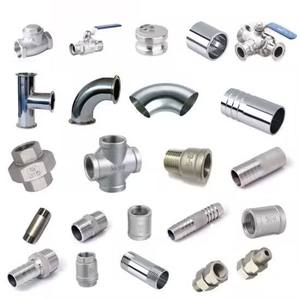
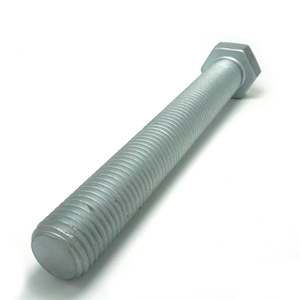
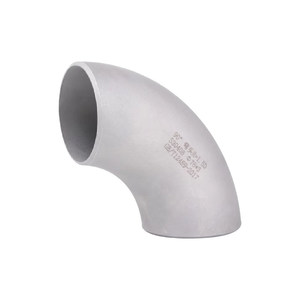
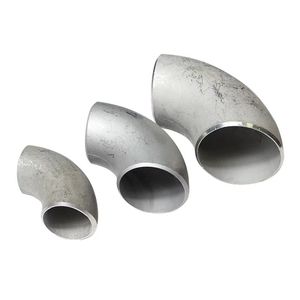
In addition to standard and custom ASTM A105N, A350 LF2, and stainless steel flanges (304L/316L/904L), we manufacture matching butt-weld pipe elbows, tees, reducers, and high-tensile ASTM A193 B7 stud bolts and A194 2H nuts (M20 to M72 / 3/4" to 3" UNC), allowing Brazilian buyers to consolidate single-source container shipments.
Comprehensive answers addressing common questions from Brazilian engineering consultancies, trading houses, and procurement managers.
NR-13 (Norma Regulamentadora 13) mandates stringent safety verification for all piping systems and pressure vessels operating in Brazil. Compliance requires unequivocal material traceability. Every single flange produced by our factory is hard-stamped with its specific melt heat number, size, pressure class, standard, and material grade. This marking correlates directly with the supplied EN 10204 Type 3.1 Mill Test Certificate (MTC), which details complete chemical composition (including Carbon Equivalent for weldability assessment), mechanical tensile and yield metrics, and Charpy impact toughness values. Third-party inspection dossiers (by DNV, BV, or SGS) are regularly appended to satisfy the registered certifying engineer (Engenheiro Habilitado).
Direct ocean freight shipments depart from Nhava Sheva (JNPT) or Mundra Port in India, routing to Brazil’s primary maritime hubs: Port of Santos (São Paulo), Port of Rio de Janeiro, Port of Paranaguá (Paraná), and Port of Suape (Pernambuco). Typical ocean transit times range from 32 to 42 days. For project fast-track items or critical plant maintenance outages, air freight delivery through Guarulhos International Airport (GRU) or Galeão (GIG) can be arranged within 5 to 7 days from manufacturing clearance.
Brazilian imports are processed electronically through Siscomex (Sistema Integrado de Comércio Exterior). Our export logistics team provides fully audited documentation strictly formatted to ensure frictionless customs clearance: Commercial Invoices with appropriate Mercosur Common Nomenclature (NCM) codes (such as NCM 7307.21 / 7307.91 for flanges), Packing Lists detailing net and gross weights per pallet, Ocean Bills of Lading, and Certificate of Origin. Furthermore, all wooden crates and seaworthy packaging comply with international fumigation standard ISPM-15, verified by MAPA (Ministério da Agricultura e Pecuária) inspectors upon arrival.
Carbon steel components are vulnerable to atmospheric corrosion and maritime humidity during equatorial crossings. We apply comprehensive multi-layer protection: flanges receive an oil-dipped clear rust inhibitor, transparent yellow lacquer, or anti-rust black bituminous paint based on project specification. The critical raised face (RF) or RTJ gasket groove is protected by customized, snap-on heavy-duty polyethylene plastic caps or wooden disc covers. Flanges are then vacuum-wrapped in moisture-barrier VCI plastic inside heavy-duty, steel-strapped seaworthy fumigated wooden boxes.
Yes. In addition to standard ASME B16.5 sizes (1/2" to 24"), our facilities operate open-die and ring-rolling forging equipment capable of producing ASME B16.47 Series A and Series B large-diameter flanges from 26" up to 60" nominal bore. We also forge custom spectacle blinds, spade and spacer sets, orifice flanges (ASME B16.36), anchor flanges, and heavy swivel flanges engineered to proprietary client drawings and specialized line classifications.
For ASTM A350 LF2 Class 1 forgings destined for cold climate or subsea pre-salt environments, impact testing is executed strictly in accordance with ASTM A370 at -46°C (-50°F). Acceptance criteria require an average absorbed energy across three specimens of not less than 20 Joules (15 ft-lbs), with no single specimen exhibiting lower than 16 Joules (12 ft-lbs). For specialized offshore projects, lateral expansion and shear fracture area percentages are also recorded and certified in the MTC.