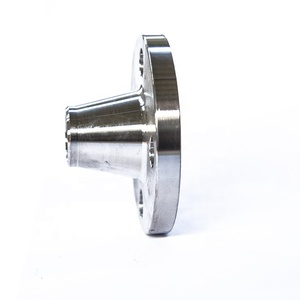
Engineered to withstand extreme cyclical pressure, thermal stress, and sour service environments in compliance with ASME, ASTM, DIN, and EN industrial specifications.
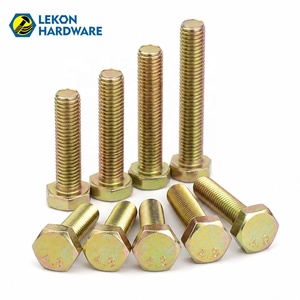
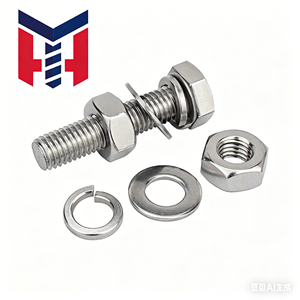
A comprehensive examination of chromium-molybdenum alloy steel fastening systems designed for high-temperature, high-pressure, and cyclic service in critical energy sectors.
| Parameter | ASTM A193 Grade B7 Specification | AISI 4140/4142 Chemical Range | ASTM A194 Grade 2H Matching Nut |
|---|---|---|---|
| Carbon (C) | 0.37 – 0.49 % | 0.38 – 0.43 % | 0.40 % min |
| Chromium (Cr) | 0.75 – 1.20 % | 0.80 – 1.10 % | Trace / Unspecified |
| Molybdenum (Mo) | 0.15 – 0.25 % | 0.15 – 0.25 % | Optional |
| Min. Tensile Strength | 125 ksi (860 MPa) [≤ 2-1/2"] / 115 ksi [> 2-1/2"] | N/A (Raw Billet) | 175 ksi (1205 MPa Proof Stress) |
| Min. Yield Strength (0.2%) | 105 ksi (720 MPa) [≤ 2-1/2"] / 95 ksi [> 2-1/2"] | N/A (Raw Billet) | Proof Load Basis |
| Hardness Ceiling | 321 HBW / 35 HRC max | Annealed ~197 HBW | 248 to 352 HBW (24 to 38 HRC) |
| Elongation & Reduction | 16% min elongation in 4D; 50% min area reduction | N/A | N/A |
How certified manufacturers deploy cold heading, hot induction forging, and CNC roll-threading to maintain unbroken grain flow and exceptional mechanical fatigue life.
Unlike cut threads that tear the internal metallic grain fibers, advanced factories roll threads under immense hydraulic force post heat-treatment. This work-hardens the root radii, imparting compressive residual stresses that double fatigue endurance.
Every single stud bolt and heavy hex nut is stamped with its unique heat code, manufacturer's symbol, and material mark. Mill Test Certificates to EN 10204 3.1 are cataloged digitally, linking back to ladle melt chemistry and Charpy impact tests.
To resist harsh marine and acid-laden refinery conditions, studs are finished with fluoropolymer PTFE (Xylan), electrodeposited zinc-nickel, hot-dip galvanizing (HDG), or cadmium plating, calibrated to maintain precise ASME B1.1 thread class allowances.
From the Aegean refining hubs to the Marmara manufacturing belt and Mediterranean export corridors, ASTM A193 B7 bolting serves as the mechanical anchor of critical infrastructure.
At the SOCAR STAR Refinery in Aliağa and TÜPRAŞ plants (İzmit, Kırıkkale, Batman, İzmir), Grade B7 stud bolts secure hydrocracker and catalytic reformer piping carrying volatile hydrocarbons at 380°C and 160 bar pressure.
The Trans-Anatolian Natural Gas Pipeline and TurkStream transit terminals utilize high-yield A193 B7/B7M studs across mainline block valve stations and compressor loops, requiring high Charpy V-notch toughness down to -46°C.
In Denizli, Aydın, and Manisa, deep geothermal steam extraction facilities encounter highly corrosive, saline brines rich in dissolved gases. Here, Xylan-coated B7 and corrosion-resistant alloy studs prevent joint leakage and scaling.
In the shipyards of Tuzla and Yalova and the oil export terminal of BOTAŞ Ceyhan, flanged manifold connections face unrelenting salt spray, necessitating hot-dip galvanized or PTFE-encapsulated B7/2H assemblies.
How supply chain nearshoring, energy transition initiatives, and harmonized European safety directives are reshaping B2B fastener procurement.
Combining heavy forging capabilities, full metallographic traceability, and international certifications to deliver zero-defect piping and fastening solutions.
ISO 9001 certified with specialized technical approvals including Engineers India Limited (EIL) and Indian Boiler Regulations (IBR). Fully audited to provide certified pressure retention packages for oil, gas, and power infrastructure.
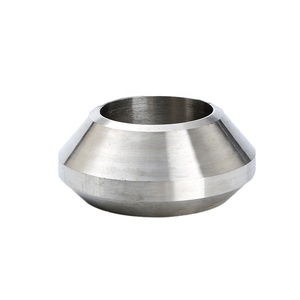
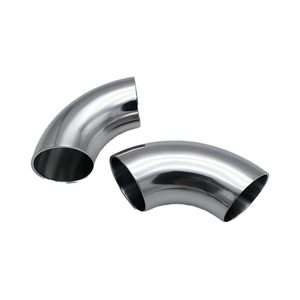
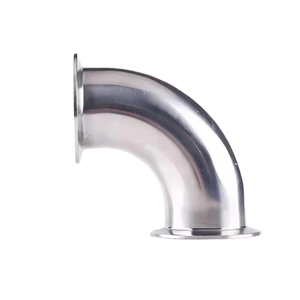
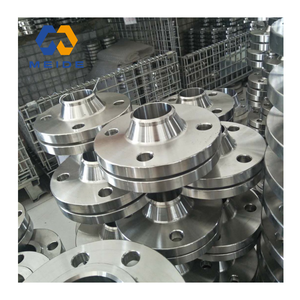
We eliminate supply chain interface risk by delivering unified piping spools: ASME B16.5 weld neck flanges, ASME B16.9 buttweld elbows, and matched ASTM A193 B7 stud bolts manufactured from pedigree steel billets with identical heat-treatment verification.
Recognized export house operating since 1991, regularly exporting across Turkey, Saudi Arabia, the UAE, Germany, the UK, and the USA. Dedicated global logistics ensure sea-freight and air-cargo dispatch under Incoterms (FOB, CIF Istanbul/Mersin, DAP).
Direct technical answers addressing customs clearance, regulatory standards, surface treatments, and lead-time optimization for procurement departments.
Turkish customs authorities and local project inspectors require an authentic Mill Test Certificate (MTC) conforming to EN 10204 Type 3.1, showing complete heat-specific chemical analysis (C, Mn, P, S, Si, Cr, Mo), mechanical test results (yield, tensile, elongation, hardness), and confirmation of liquid quench and temper. Additionally, a Certificate of Origin, detailed commercial invoice, packing list with net/gross weights, and Bill of Lading are required. When importing from qualifying territories, an A.TR Movement Certificate or EUR.1 ensures preferential tariff treatment under the EU-Turkey Customs Union.
The closest European equivalent to ASTM A193 Grade B7 in terms of chemistry and tensile capability is 42CrMo4 (material number 1.7225) according to EN 10083 or EN 10269 for pressure purposes. For high-temperature applications, European specifications frequently utilize 21CrMoV5-7 (1.7709). While their mechanical envelopes are comparable (tensile strength ~800–1000 MPa), ASTM A193 B7 requires unified inch (UNC/UN8) threading by default under ASME B1.1, whereas EN standards use metric coarse or fine threads. Dual-certified products must fulfill both chemical restrictions and specific thread pitch designs.
For coastal installations exposed to marine salt fog and industrial sulfur emissions (such as the Gulf of İzmit or Aliağa bay), standard black oxide or plain oiled fasteners will corrode rapidly. The most effective protective coatings include PTFE / Fluoropolymer (e.g., Xylan 1070 or 1424) over a zinc phosphate or ceramic base coat, delivering over 1,500 to 3,000 hours of ASTM B117 salt spray resistance while ensuring low, predictable friction coefficients during torque tightening. Hot-dip galvanizing (ASTM A153) is widely used for structural piping supports, though internal nut threads must be tapped oversize to prevent thread galling.
ASTM A194 Grade 2H heavy hex nuts are manufactured from medium-carbon steel that has been quenched and tempered to deliver a proof stress of 175 ksi (1,205 MPa). Standard commercial nuts (such as DIN 934 Grade 8 or ASTM A563 Grade A) do not possess adequate proof strength. Under the extreme hydraulic bolting torque required to seat spiral-wound gaskets in Class 300 to Class 2500 flanges, substandard nuts will experience thread strip failure or dilation. Grade 2H nuts guarantee that the connection will maintain gasket seat stress throughout thermal expansion cycles.
Standard sizes (1/2" to 2-1/2" diameter, standard cut lengths from 60mm to 500mm) in plain finish or PTFE are maintained in rolling stock for dispatch within 5 to 10 days. Custom lengths, non-standard threading (8-UN above 1"), or bespoke alloys (B7M, B16, Inconel, Duplex) require a manufacturing window of 3 to 4 weeks. Shipments to Turkish industrial clients are executed via direct ocean container to major commercial ports including Ambarlı (Istanbul), Haydarpaşa, Mersin, or Aliağa (İzmir), or via expedited air cargo for emergency turnaround outages.