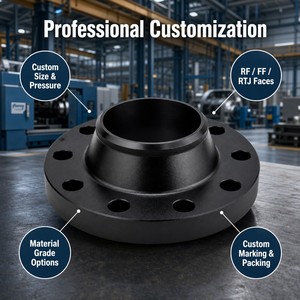
Alloy & Chrome-Moly

Engineered to rigorous metallurgical tolerances, our portfolio encompasses forged flanges, precision adapters, hydraulic connectors, and high-tensile bolting built for aggressive Middle Eastern field operating conditions.
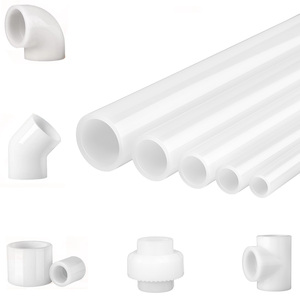
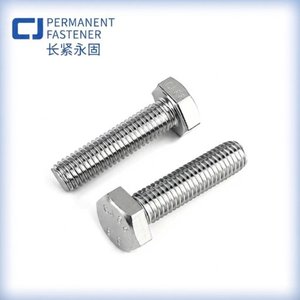
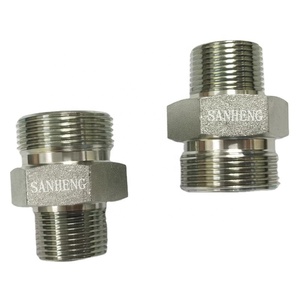
A technical evaluation of localized pitting resistance, sensitization prevention, and metallurgical longevity under high ambient desert salinity and sour gas conditions.
Standard austenitic stainless steel grades such as AISI 304 risk acute chromium carbide precipitation along grain boundaries when exposed to welding heat cycles ranging from 425°C to 866°C (800°F to 1600°F). In coastal facilities across Jubail, Yanbu, and Ras Tanura, the high atmospheric chloride content rapidly exploits these sensitized boundaries, initiating catastrophic intergranular stress corrosion cracking (IGSCC).
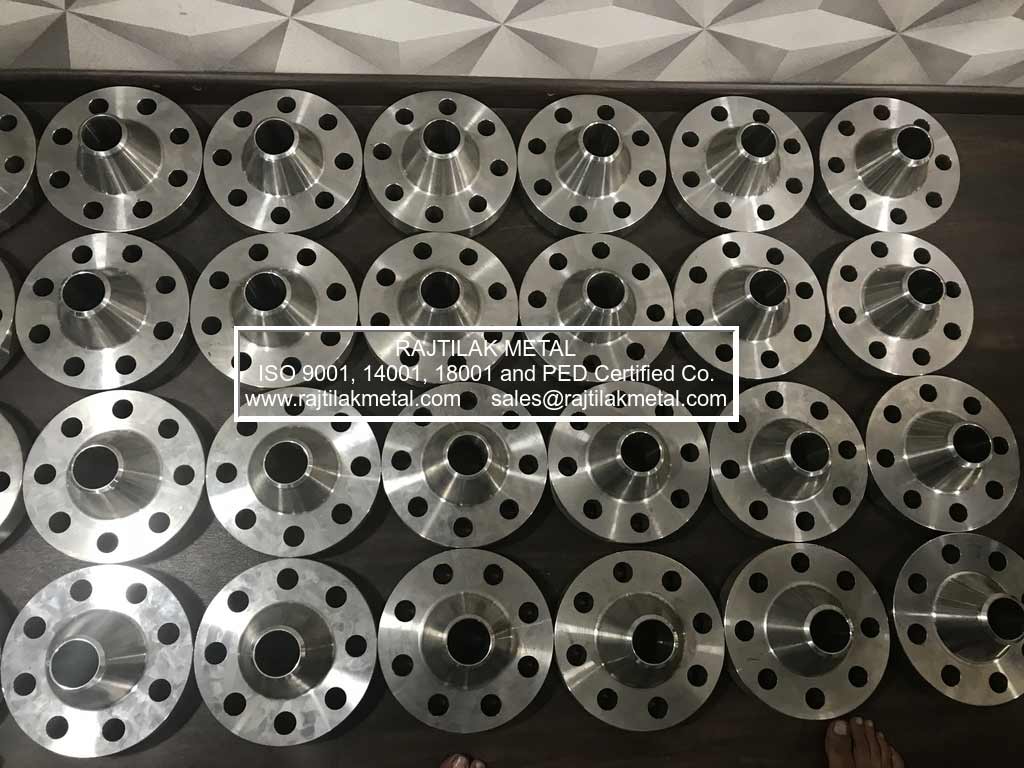
Stainless Steel 316L (UNS S31603 / WNR 1.4404) solves this critical failure mechanism through a strictly controlled carbon ceiling not exceeding 0.030%. By curbing carbon content, the alloy avoids grain boundary precipitation during field welding of heavy-wall Weld Neck and Slip-On flanges. Furthermore, the inclusion of 2.0% to 3.0% Molybdenum boosts the Pitting Resistance Equivalent Number (PREN) above 23–25, delivering superior protection against stagnant marine condensates, brackish purge waters, and sulfur-rich hydrocarbon fractions.
| Element / Parameter | ASTM A182 F316L Limits | Standard 304 / F304 Limits | Engineering Benefit in Gulf Operations |
|---|---|---|---|
| Carbon (C) Max | 0.030% | 0.080% | Prevents weld sensitization; eliminates post-weld solution annealing in field work. |
| Molybdenum (Mo) | 2.00% – 3.00% | None (trace only) | Provides critical passivation layer stability in high-chloride, acidic, and H2S environments. |
| Nickel (Ni) | 10.00% – 14.00% | 8.00% – 10.50% | Stabilizes austenitic microstructure, ensuring superior cryogenic impact toughness. |
| Yield Strength (0.2% Offset) | ≥ 170 MPa (25 ksi) | ≥ 205 MPa (30 ksi) | Engineered wall scheduling (SCH 40S, 80S, 160) balances tensile compliance with ductility. |
| Tensile Strength Min | ≥ 485 MPa (70 ksi) | ≥ 515 MPa (75 ksi) | Maintains hydrostatic pressure integrity under surge conditions (Class 150 to 2500). |
From the industrial gigaprojects along the Eastern Province to offshore hydrocarbon extraction in the Arabian Gulf and coastal desalination across the Red Sea, our SS 316L flanges deliver certified process reliability.
Integrated complexes operated by SABIC, Aramco, and joint-venture refineries process corrosive aromatic fractions, sour water, and high-pressure amine systems. Our ASTM A182 F316L Weld Neck and Blind Flanges with Class 300 to 1500 RF facings eliminate fugitive VOC leaks and resist cracking in H2S and sulfidic wash cycles.
The Saline Water Conversion Corporation (SWCC) and independent water projects (IWPs) rely on seawater reverse osmosis (SWRO) facilities along the Red Sea and Arabian Gulf. Flanges installed here withstand hypersaline brine up to 70,000 ppm TDS, pre-treatment chemical injection streams, and chlorine sanitizing skids.
Megaprojects including NEOM Oxagon, King Salman Energy Park (SPARK), and clean hydrogen infrastructure demand piping with extended lifecycles. Our 316L flanges serve in solar thermal piping circuits, green ammonia storage terminals, and potable water distribution grids that mandate a 50-year service life.
Strategic purchasing demands far more than basic dimensional compliance. Understanding local procurement dynamics guarantees frictionless customs clearance, Aramco standard alignment, and project execution velocity.
Saudi Aramco’s IKTVA framework prioritizes transparent international supply chains that collaborate closely with In-Kingdom distribution hubs. By maintaining documented material registries and standardized packaging compliant with SABER registration protocols, we minimize port handling delays at Dammam and Jeddah Islamic Ports.
As Saudi Arabia invests heavily in carbon capture and the world’s largest green hydrogen plants in the Tabuk region, piping infrastructure must resist micro-leakage under cyclic thermal stresses. Our SS 316L RTJ (Ring Type Joint) flanges machined to micro-inch RMS finishes eliminate hydrogen embrittlement hazards.
Saudi Customs requires strict compliance with SASO (Saudi Standards, Metrology and Quality Organization) technical regulations for industrial metallic products. We supply full COC (Certificate of Conformity), verified test records, and heat-stamped barcoding to ensure rapid approval across all Saudi customs clearance portals.
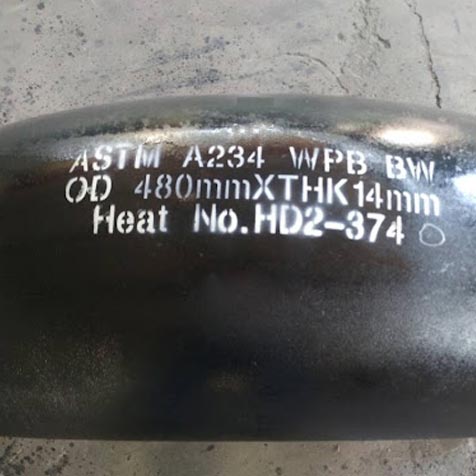
As a Government of India Recognised Export House, Rajtilak Metal has engineered and supplied ASME, EN, DIN, and JIS piping hardware for world-scale petrochemical facilities for more than 30 years. Our production systems comply with ISO 9001 and hold prestigious Indian Boiler Regulations (IBR) and Engineers India Limited (EIL) accreditations, alongside proven execution track records on Aramco, ADNOC, and SABIC sub-contract vendor lists.
Every single SS 316L flange is forged from prime billet stock sourced strictly from vetted primary steel producers in Japan, South Korea, and India. Automated low-stress die stamping transfers melt heat numbers directly to each piece, providing uncompromised audit continuity from raw melt chemistry to the project site spool.
Addressing essential compliance, testing protocols, certification documentation, and logistical routines for piping procurement in KSA.