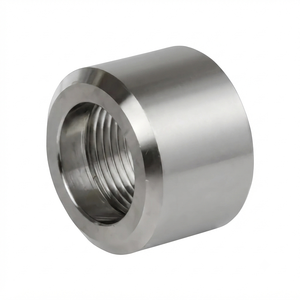

Supplying factory-certified ASTM A193 B7 fastening assemblies, high-pressure forged flanges, and industrial connection systems to maritime terminals, clean power infrastructure, and advanced heavy manufacturing operations throughout the Tokyo Metropolitan Area.
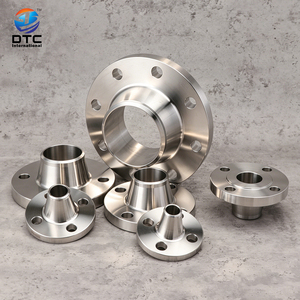
A comprehensive engineering analysis of chromium-molybdenum alloy bolting for high-pressure, thermal-cycling, and seismic installations across greater Tokyo and the Keiyo Industrial Zone.
Fastener integrity is critical in high-pressure steam, petrochemical refining, and cryogenic gas regasification. ASTM A193 Grade B7 defines heat-treated chromium-molybdenum steel bolting material optimized for pressure vessels, valves, flanges, and fittings subjected to high temperature or high-pressure duty. When paired with ASTM A194 Grade 2H Heavy Hex Nuts, this assembly delivers balanced tensile strength, shear resistance, and thermal fatigue resistance under dynamic operating conditions.
Our manufacturing facility leverages vacuum-degassed AISI 4140/4142 alloy structural steels. Through continuous-atmosphere roller hearth induction heat treatment, each batch undergoes liquid quenching followed by tempering at an exact minimum threshold of 1100°F (593°C). This metallurgical discipline ensures a uniform, fully tempered martensitic microstructure, avoiding premature brittle failure under extreme bolt tension and seismic shear displacements frequent in Eastern Japan's industrial belts.
| Nominal Diameter (in.) | Tensile Strength, min. (ksi / MPa) | Yield Strength, 0.2% min. (ksi / MPa) | Elongation in 2 in., min. (%) | Reduction of Area, min. (%) | Hardness Range (HRC / HBW) |
|---|---|---|---|---|---|
| Up to 2-1/2" [M64] inclusive | 125 ksi (860 MPa) | 105 ksi (720 MPa) | 16.0% | 50.0% | 25–35 HRC / 255–321 HBW |
| Over 2-1/2" to 4" [M100] | 115 ksi (795 MPa) | 95 ksi (655 MPa) | 16.0% | 50.0% | — / 241–321 HBW |
| Over 4" to 7" [M180] | 100 ksi (690 MPa) | 75 ksi (515 MPa) | 18.0% | 50.0% | — / 235–321 HBW |
Conforms fully to ASTM A193/A193M Standard Specification for Alloy-Steel and Stainless Steel Bolting for High Temperature or High Pressure Service.
From Tokyo Bay coastal installations to precision seismic retrofits, engineering specifications must solve three primary challenges: marine salinity, high-temperature thermal cycling, and stringent regulatory compliance.
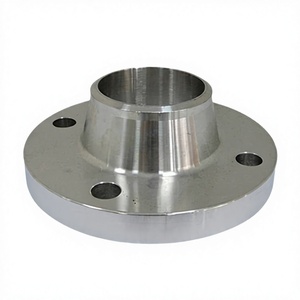
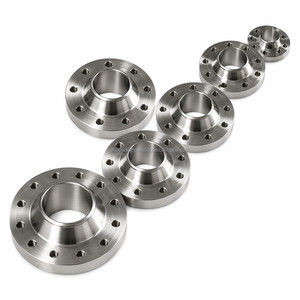
Receiving facilities in Sodegaura, Futtsu, and Tokyo Bay handle vast LNG import streams requiring stable flanged piping connections. ASTM A193 B7/A194 2H assemblies are routinely paired with ASME B16.5 Class 300/600 weld neck flanges across cryogenic regasification heat exchangers, vaporizers, and distribution manifolds, maintaining target torque loads through rigorous expansion and contraction cycles.
Industrial complexes across Chiba, Kawasaki, and Yokohama rely heavily on high-tensile alloy studs for cracked gas heaters, hydrotreating reactors, and catalytic reformers operating continuously between 300°C and 500°C. Our B7 materials prevent stress-relaxation and creep, preventing volatile hydrocarbon leaks across Class 900 and Class 1500 flanged joints.
High-density infrastructure throughout Tokyo central wards utilizes combined-cycle gas turbine (CCGT) plants and sub-street steam distribution networks. Our hot-dip galvanized and PTFE-coated B7 bolting solutions safeguard underground pressure piping against salt-laden coastal groundwater ingress and cyclic seismic shockwaves.
How progressive Japanese EPC contractors and maintenance directors are evolving their procurement architectures to balance decarbonization, seismic safety, and supply-chain resilience.
Tokyo's thermal plants are actively transitioning toward hydrogen/ammonia co-combustion. This elevates pressure ratings and introduces hydrogen embrittlement risks, driving strict demand for controlled-hardness B7M variants and precision-tempered B7 fasteners.
Because Tokyo Bay features salt-laden coastal air, bare black oxide finishes are rapidly being replaced by multi-layer PTFE (Teflon), zinc-nickel plating, and ceramic barrier coatings to eliminate galling, ensure low friction coefficients, and deliver over 3,000 hours of salt spray resistance.
In accordance with Japan's updated environmental policies, industrial facilities enforce strict VOC emission limits on piping connections. Precise cold-rolled threads and controlled yield elasticity in B7 studs ensure uniform gasket seating pressure, matching ASME B16.20 Kammprofile gaskets.
Japanese purchasing departments are bypassing intermediate overseas brokerage layers. Direct technical integration with verified Chinese manufacturing centers allows Kanto-based contractors to secure custom billet melts, cut lead times, and reduce capital procurement costs by up to 28%.
Three decades of manufacturing excellence, certified material integrity, and comprehensive supply-chain infrastructure serving critical process operations worldwide.
Equipped with 11 advanced internal testing apparatuses: optical emission spectrometers for chemical heat confirmation, tensile yield universal machines, Charpy V-notch impact testers (tested down to cryogenic limits), magnetic particle inspection (MPI), and automated ultrasonic testing benches.
Every single ASTM A193 B7 stud bolt, hex nut, and forged flange carries deeply stamped heat numbers, brand identifiers, and material grade markings. Our Mill Test Certificates deliver 100% mechanical and chemical traceability back to the parent steel melt without ambiguity.
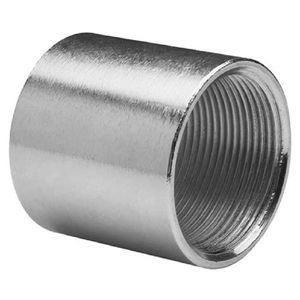
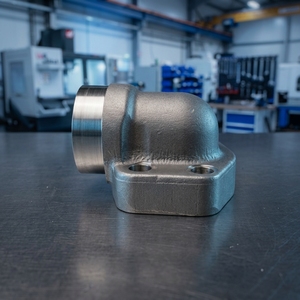
In addition to high-tensile bolting, we produce matching ASME B16.5 flanges, ASME B16.9 buttweld fittings, and ASME B16.11 high-pressure forged couplings in ASTM A105 carbon steel, 304/316L stainless steel, and chrome-moly alloy steel, eliminating multi-vendor mismatch risks.
Direct technical answers addressing standards compliance, metallurgical equivalence, documentation, and expedited maritime shipping logistics into Tokyo Port.
Submit your fastener schedules, flange datasheets, or MTOs. Our bilingual engineering specialists will deliver a comprehensive, standard-compliant technical offer within 4 business hours.