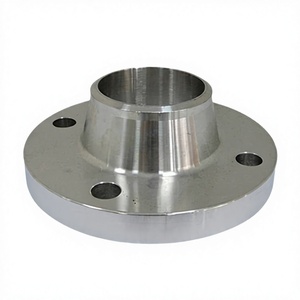
Precision-machined process equipment engineered under ISO 9001, EIL, and IBR authorizations, backed by 100% heat traceability and EN 10204 3.1 certification.
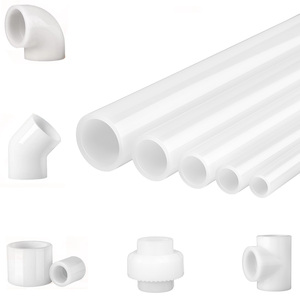
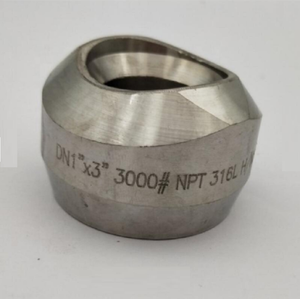
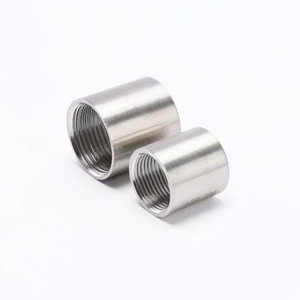
ASTM A350 LF2 is the global benchmark forging specification for low-temperature carbon steel piping components, widely specified across upstream subsea flowlines, Arctic oil exploration, LNG cryogenic transport, and cryogenic processing facilities. Operating within design limits down to -46°C (-50°F), A350 LF2 requires strict microstructural optimization to avert the brittle-to-ductile fracture transitions common to conventional carbon steels like ASTM A105.
| Grade Designation | Yield Strength Min. (MPa) | Tensile Strength (MPa) | Impact Test Temp (°C) | Min. Charpy Impact Energy | Primary Industrial Service |
|---|---|---|---|---|---|
| ASTM A350 LF2 Class 1 | 250 (36 ksi) | 485 - 655 (70-95 ksi) | -46°C (-50°F) | 20 J / 15 ft-lbf Avg | Sub-zero piping, LNG Terminals, Midstream Gas |
| ASTM A350 LF2 Class 2 | 250 (36 ksi) | 485 - 655 (70-95 ksi) | -18°C (0°F) | 20 J / 15 ft-lbf Avg | Moderate sub-zero utility lines, Chilled Glycol |
| ASTM A105 (Standard) | 250 (36 ksi) | 485 (70 ksi) | Ambient (Not Specified) | N/A | General ambient and elevated steam piping |
| ASTM A350 LF3 | 260 (37.5 ksi) | 485 - 655 (70-95 ksi) | -101°C (-150°F) | 20 J / 15 ft-lbf Avg (3.5% Ni) | Extreme Cryogenic Liquefaction Units |
How global EPC contractors and procurement managers are navigating supply chains, decarbonization standards, and strict operational resilience.
In response to deeper offshore exploration and sour hydrocarbon reserves, tier-1 operators insist on ASTM A350 LF2 dual-certified according to NACE MR0175/ISO 15156. Tight constraints on hardness (maximum 22 HRC / 237 HBW) coupled with low Carbon Equivalent (CE) levels eliminate the susceptibility to Sulfide Stress Cracking (SSC) and Hydrogen-Induced Cracking (HIC) without diminishing low-temperature toughness.
The digitization of quality assurance protocols has transformed industrial sourcing. Leading EPC conglomerates no longer accept generic MTC paperwork; every shipment necessitates verifiable mill test certifications linked via digital laser marking and indelible stamping down to the initial heat run. Third-party inspection (TPI) agencies (such as DNV, Lloyds, BV, and EIL) now require end-to-end digital provenance.
Geopolitical turbulence and shipping corridor disruptions have driven a massive strategic shift toward reliable export-house partners maintaining extensive raw forging stock. Government-recognized manufacturers with extensive on-floor raw forgings in Mumbai and regional hubs minimize project downtime by expediting Class 150 to Class 2500 deliveries directly to Middle Eastern, European, and American terminals.
Modern forging technologies for ASTM A350 LF2 components have advanced rapidly past open-die hammering into high-precision closed-die hydraulic forging and closed-loop continuous normalizing ovens. The key to maintaining low-temperature Charpy values resides in fine-grain austenite refinement.
Furthermore, precision multi-axis CNC machining minimizes surface micro-flaws that act as stress concentration notches in low-temperature pipelines. Advanced smooth-finish gasket serrations (125-250 AARH) ensure absolute leak integrity for volatile light hydrocarbons, ethylene, and liquefied methane.
Direct supply capability backed by decades of engineering expertise, verified approvals, and rigorous metallurgical control.
Serving world-scale energy developments from Mumbai since 1991. Fully authorized and audited exporter status ensures swift custom clearance, integrated logistical documentation, and direct maritime shipping access to major worldwide ports across the GCC, Europe, and the Americas.
Holding quality accreditations including ISO 9001 certified management system, Indian Boiler Regulations (IBR) approval, and Engineers India Limited (EIL) authorization. Broad project footprint with proven execution history across ADNOC, Saudi Aramco, and European critical infrastructure projects.
Operating 11 dedicated testing machines within internal inspection laboratories. Full capabilities across Positive Material Identification (PMI), Spectro chemical analysis, low-temperature Charpy V-notch impact rigs down to -196°C, hydrostatic pressure testing, ultrasonic scanning, and magnetic particle examination.
Direct technical answers addressing engineering queries, material standards, weldability, and documentation specifications.
Connect directly with our engineering sales group for line-item quotations, raw material certifications, and project sizing assistance.
Get Catalog