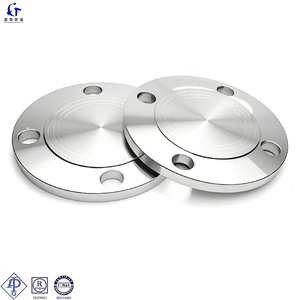
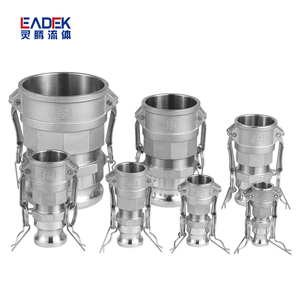
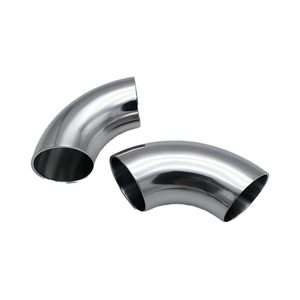
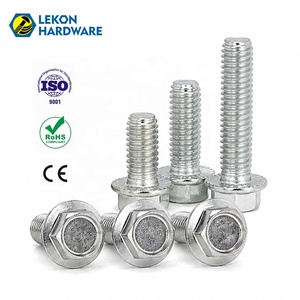
Engineering-grade foundation anchors, high-tensile fasteners, forged connection flanges, and precision-machined piping outlets engineered for extreme structural loadings, seismic resilience, and severe process media containment.
In modern industrial civil engineering, petrochemical installations, offshore structures, and megawatt-scale wind turbine foundations, anchor bolts are not mere passive metal pins; they constitute the primary mechanical load-transfer interface between hyper-static superstructures and unreinforced or reinforced concrete basements. When structural columns, pressure vessels, vibrating process compressors, or vertical transmission towers experience extreme wind shears, seismic tremors, dynamic cyclic resonance, or thermal expansion moments, the anchoring assembly must withstand severe triaxial stress states comprising combined tension, direct mechanical shear, flexural prying action, and cyclic fatigue.
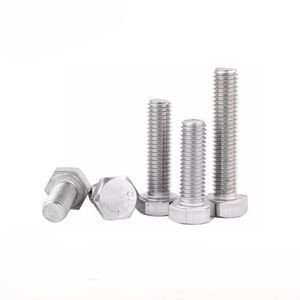
As an industry-leading China anchor bolts factory and premier international exporter, our technical foundation is anchored in three decades of hot forging, controlled metallurgical heat treatment, and precision thread-rolling operations. Standard cast-in-place anchor bolts fall into three core metallurgical and geometric configurations:
Specifying the exact material grade requires an intimate understanding of structural yield thresholds, impact transition temperatures, and metallurgical ductility limits. The following matrix contrasts the prominent anchor bolt specifications manufactured and exported globally from our facility:
| Standard & Grade | Nominal Diameters | Min. Yield Strength (MPa / ksi) | Tensile Strength (MPa / ksi) | Charpy V-Notch Impact Energy | Application Suitability |
|---|---|---|---|---|---|
| ASTM F1554 Gr. 36 | M12 – M100 (1/2" – 4") | 250 MPa (36 ksi) | 400 – 550 MPa (58 – 80 ksi) | Optional supplementary (20J @ 20°C) | Standard Light steel framing, highway signage, basic equipment bases |
| ASTM F1554 Gr. 55 | M12 – M100 (1/2" – 4") | 380 MPa (55 ksi) | 517 – 620 MPa (75 – 95 ksi) | 20J @ -29°C (S4 Supplementary) | Structural Bridge piers, industrial plant columns, seismic frame bases |
| ASTM F1554 Gr. 105 | M16 – M100 (5/8" – 4") | 724 MPa (105 ksi) | 862 – 1034 MPa (125 – 150 ksi) | 20J @ -29°C (Mandatory for critical zones) | Heavy Critical Wind turbines, offshore flare stacks, reactor vessels |
| ISO 898-1 Class 8.8 | M16 – M72 | 640 MPa (93 ksi) | 800 – 1000 MPa (116 – 145 ksi) | 27J @ -20°C | High Tensile European heavy equipment, crane rails, power generation |
| ISO 898-1 Class 10.9 | M20 – M72 | 900 MPa (130 ksi) | 1000 – 1200 MPa (145 – 174 ksi) | 27J @ -40°C (Cryogenic heat treated) | Ultra High Load Pre-stressed wind tower foundations, dynamic vibrating machinery |
| ASTM A193 Gr. B7 / B7M | M12 – M100 (1/2" – 4") | 720 MPa (105 ksi) | 860 MPa (125 ksi) | 34J @ -20°C (Sour service qualified) | NACE MR0175 Sour refinery columns, petrochemical flare anchorages |
| Austenitic SS (304L / 316L) | M6 – M64 | 210 – 450 MPa (30 – 65 ksi) | 500 – 700 MPa (70 – 100 ksi) | Extremely tough at sub-zero (Cryogenic) | Corrosion Immune Marine splash zones, desalination holding tanks, chemical pits |
Sourcing structural foundation hardware and high-pressure flow containment items from China demands rigorous technical vetting. With roots established in 1991, our manufacturing infrastructure bridges classical industrial forging excellence with automated dimensional inspection, eliminating delivery variances and catastrophic structural vulnerabilities.
Equipped with closed-die and open-die hydraulic drop hammers up to 5,000 tons. We forge continuous steel grain lines along the transition zone between the anchor rod shank and bolt head, maximizing notch toughness and eliminating the stress concentrations inherent in welded head substitutes.
In-house programmable quenching and tempering furnaces guarantee uniform hardness and tensile consistency across entire raw material heats. We eliminate decarburization layers and prevent brittle martensitic grain zones, maintaining full compliance with strict Charpy impact benchmarks.
All high-tensile anchor rods feature cold or hot-rolled threads rather than cut threads. Thread rolling burnishes the root radius, induces beneficial compressive residual stresses, preserves uninterrupted grain flow, and enhances fatigue endurance by up to 300% under cyclical equipment vibration.
Every single batch exported from our facilities carries unbroken mill traceability back to prime blast furnace melts from Tier-1 steel producers. Every raw steel billet undergoes Positive Material Identification (PMI) via optical emission spectroscopy before entering production. Our in-house metallurgical testing center is equipped with:
As international infrastructure standards modernize to combat extreme weather events, extended design life cycles (50 to 100 years), and stringent environmental criteria, the global sourcing landscape for anchor bolts and industrial fasteners is undergoing structural changes. Procurement leaders must align with four macro trends:
Historically, Hot-Dip Galvanizing (HDG per ASTM A153 or ISO 10684) has served as the baseline anti-corrosion barrier. However, for high-strength property classes (ASTM F1554 Gr. 105, ISO 898-1 Class 10.9 and 12.9, and ASTM A193 B7), acid pickling prior to HDG introduces an acute risk of Hydrogen-Induced Delayed Brittleness (HIDB). Global EPC contracts across the EU, Middle East, and North America are transitioning rapidly toward Zinc-Flake Coatings (ISO 10683 / ASTM F3393), Geomet, and Sherardizing systems. These mechanical deposition processes are 100% acid-free, completely eliminating hydrogen embrittlement while delivering over 1,500 to 2,000 hours of neutral salt spray resistance (ASTM B117) with exceptionally thin, uniform thread coatings (8–15 μm).
Onshore and offshore wind energy developers no longer purchase loose anchor rods, nuts, and washers independently. The supply chain has shifted toward full engineered anchor cage modular kits. These packages encompass 120 to 200 double-end threaded rods (typically M36 to M48 diameter in Class 8.8 or 10.9), integrated with factory-punched upper and lower PVC/steel template rings, high-density polyethylene (HDPE) debonding sleeves, internal centering spacers, and pre-greased, sealed corrosion caps. Sourcing pre-assembled anchor kits directly from a qualified Chinese manufacturer slashes on-site rebar-fixing labor by up to 65% and eliminates thread misalignment defects during concrete pouring.
With the implementation of the European Carbon Border Adjustment Mechanism (CBAM) and corporate Scope 3 emissions accounting, major contractors are evaluating Chinese fastener mills on carbon intensity per ton. Our production workflow is integrating certified Electric Arc Furnace (EAF) scrap-based steel inputs, green hydrogen pre-heating furnaces, and non-cyanide, zero-discharge surface finishing facilities, providing international buyers with auditable Life Cycle Assessment (LCA) documentation and verified low-carbon credentials.
Manual paper test reports are increasingly being phased out. Premium infrastructure projects now require laser-etched 2D Data Matrix QR codes or embedded NFC/RFID tags directly on the heavy bolt heads or plate washers. Scanning the tag instantly links field engineering inspectors to cloud-stored 3.1 chemical melt records, UT testing reports, and automated torque-tension qualification curves, preventing counterfeit steel mingling on multi-vendor megaprojects.
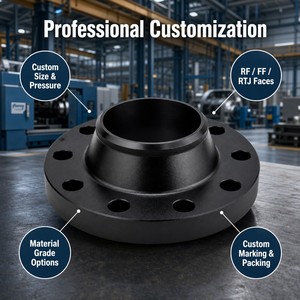
Whether you require tender pricing for a multi-thousand-ton wind turbine foundation cage project, certified ASTM F1554 Gr. 105 structural anchors, or bespoke forged piping flange assemblies, our senior engineers review all datasheets within 24 hours.
Contact Us