
Girgaon, Mumbai, Maharashtra 400004, India [email protected] +91 9869506920
0%

Stainless Steel 316L Flanges connect pipes, valves, pumps, and other equipment in systems that need reliable, removable joints. Made from low-carbon 316L stainless steel, they contain molybdenum, which helps improve resistance to corrosion in many process and marine environments. The “L” indicates a lower carbon content than standard 316 stainless steel. That can reduce the risk of sensitization during welding, though sound fabrication practices still matter.

A flange is more than a metal ring with bolt holes. Its material, pressure rating, facing, dimensions, and finish must suit the piping system and its service conditions. For example, a raised-face flange paired with the correct gasket and bolt load can form a dependable seal. But even quality components can leak if alignment or installation is poor. Small details count.

316L is not immune to corrosion. Chloride levels, temperature, stagnant liquid, and surface condition can all affect performance, including the risk of pitting or crevice corrosion. A flange that works well in one plant may be a poor choice in another. This guide explains what Stainless Steel 316L Flanges are, where they are commonly used, and what buyers and engineers should check before specifying them. Material certificates and applicable standards are useful starting points, not substitutes for project-specific engineering review. There is no universal best flange.
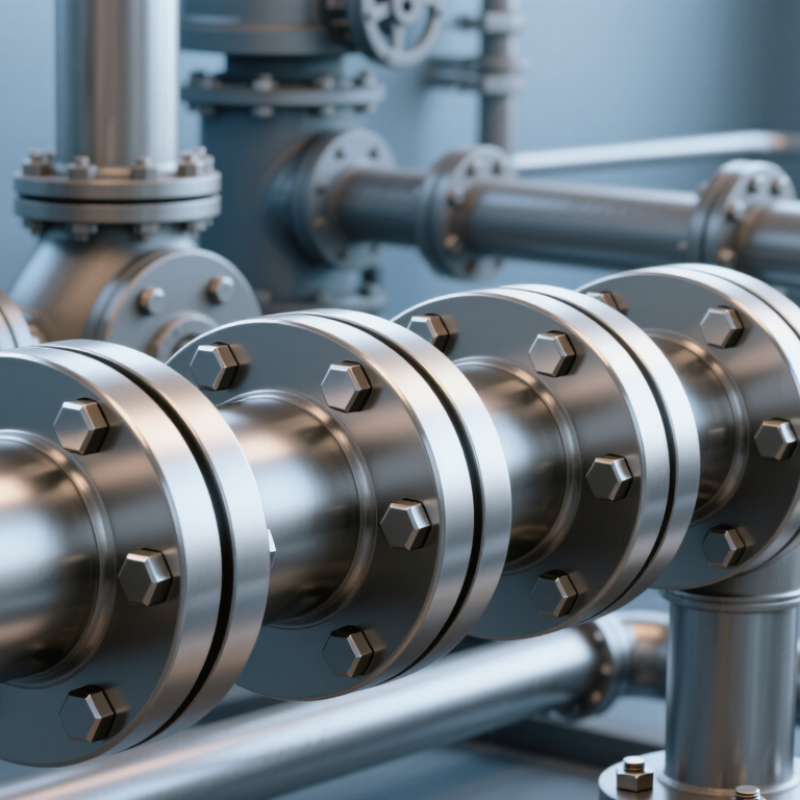
What Are Stainless Steel 316L Flanges?

Definition and Function of 316L Stainless Steel Flanges

What Are Stainless Steel 316L Flanges?

Definition and Function of 316L Stainless Steel Flanges

A 316L stainless steel flange is a pipe fitting with a flat or raised face and bolt holes. It joins pipe sections, valves, pumps, or other equipment. A gasket sits between the flange faces, while bolts apply pressure to help create a sealed connection. Fit matters.

The “316L” designation refers to a low-carbon grade of austenitic stainless steel. Its chromium and nickel support corrosion resistance, while molybdenum helps it perform in many chloride-containing environments. The lower carbon content can reduce the risk of sensitization during welding, though fabrication procedures still matter. It is not immune to corrosion.

In service, flanges make inspection, cleaning, and equipment replacement more manageable than permanent welded joints. Selection depends on more than the alloy: pressure rating, temperature, flange facing, gasket material, and bolt specification must suit the system. A mismatch can cause leakage, even when the flange itself is sound. Check the connection details. Surface condition and correct bolt tightening also affect sealing, so installation should follow the applicable engineering requirements. A rushed fit-up can hide problems that appear only after the line is pressurized.

What Are Stainless Steel 316L Flanges?

316L stainless steel flanges are pipe-connection components made from a low-carbon molybdenum-bearing stainless steel. They join pipes, valves, and equipment, allowing sections to be assembled, inspected, and maintained.

How to read the chart: ASTM A182/A182M specifies minimum tensile strength of 485 MPa and minimum yield strength of 170 MPa for Grade F316L forgings. These material properties do not alone determine a flange’s allowable pressure; pressure ratings depend on factors such as flange design, size, temperature, and applicable codes.

Chemical Composition: 16–18% Chromium, 10–14% Nickel, 2–3% Molybdenum

Stainless steel 316L flanges typically contain 16–18% chromium, 10–14% nickel, and 2–3% molybdenum. Chromium helps form a thin passive film on the surface, which limits rusting when the film remains intact. Nickel supports the steel’s austenitic structure, contributing to toughness and ductility. Molybdenum improves resistance to pitting, especially in chloride-bearing environments such as coastal air or process water. That balance matters. The “L” grade also has a low carbon limit, usually no more than 0.03%, helping reduce carbide precipitation during welding.

These percentages are useful, but they are not a complete performance guarantee. Actual limits can vary with the governing material specification, so check the grade and chemical analysis on the material test report. A flange exposed to warm salt water, crevices, or harsh cleaning chemicals may still corrode. Not immune. In practical selection, match the composition to the fluid, temperature, pressure, and fabrication conditions. A small mismatch between service conditions and material choice can become an expensive leak. Chemistry deserves attention, but it cannot replace sound design, correct installation, and inspection.

Low-Carbon Grade: 0.03% Maximum Carbon and Improved Weldability

What Are Stainless Steel 316L Flanges?
Low-Carbon Grade: 0.03% Maximum Carbon and Improved Weldability

A 316L flange connects pipe sections, valves, or equipment in systems exposed to moisture and corrosive media. Its “L” designation means low carbon: the carbon content is limited to 0.03% maximum. That small number matters during welding.

When stainless steel is heated, carbon can combine with chromium near the weld. This may reduce corrosion resistance in the heat-affected zone. The lower carbon content of 316L helps limit this risk, making it a practical choice for welded piping. It does not make poor welding harmless. Clean surfaces, suitable filler metal, and controlled heat input still matter.

Look closely at a flange after fabrication. Discoloration, rough weld edges, or embedded iron particles can signal a need for further cleaning and inspection. Details count. In demanding service, confirm the alloy grade and check whether the flange rating, dimensions, and finish suit the system. I have seen specifications focus heavily on material grade while overlooking fit-up and cleaning. That is an easy gap to miss. 316L improves weldability, but the finished joint still depends on sound workmanship and the actual operating environment.

Flange Types and ASME B16.5 Sizes: NPS ½–24, Classes 150–2500

Stainless steel 316L flanges join pipe sections, valves, and equipment while allowing access for inspection or replacement.

ASME B16.5 covers flanges from NPS ½ through NPS 24, with pressure classes 150, 300, 400, 600, 900, 1500, and 2500. Not every flange type and size is available in every class, so confirm the applicable tables before ordering. Check the exact dimensions.

A class number is not a universal pressure rating. Allowable pressure depends on temperature and material, and the connection must also match the pipe size, facing, and gasket. Common types include weld neck, slip-on, socket weld, threaded, lap joint, and blind flanges.

Weld neck designs suit demanding piping, while blind flanges close an open line end. A chart can make selection look tidy. Real piping is less tidy: existing bolt patterns, tight clearances, and service conditions can change the choice. 316L’s low carbon content helps limit carbide precipitation after welding, but fabrication and service details still matter.

Applications, Corrosion Resistance, and Key Selection Factors

What Are Stainless Steel 316L Flanges?

Stainless steel 316L flanges connect pipes, valves, and equipment in systems exposed to moisture, chemicals, or frequent cleaning. Their molybdenum content improves resistance to chloride corrosion compared with 304 stainless steel. The low carbon content also helps reduce sensitization during welding. Common applications include marine piping, chemical processing, and food or pharmaceutical facilities. Still, resistant does not mean invulnerable. Warm, stagnant brine or deposits around a gasket can encourage pitting or crevice corrosion. Check the fluid composition, chloride level, temperature, and drainage conditions before specifying the alloy.

Selection involves more than choosing 316L. Confirm the piping standard, pressure-temperature rating, flange dimensions, facing, and bolt pattern. Match the gasket and bolting materials to the service conditions, too. A flange that fits physically may still be unsuitable for the operating pressure or temperature.

For traceability, review material certificates and heat numbers, and verify that the delivered component matches the specification. One assumption deserves a second look: a corrosion-resistant alloy cannot compensate for poor drainage, incompatible materials, or an unsuitable gasket. In uncertain service, testing the actual process conditions may be wiser than relying on a generic compatibility chart.

FAQS

What is a 316L stainless steel flange?

It is a pipe fitting with bolt holes and a flat or raised face. A gasket and bolts help join pipes, valves, pumps, or other equipment.

What does the “L” mean in 316L?

It means low carbon, with a maximum carbon content of 0.03%. This can reduce sensitization risk during welding. It does not excuse poor welding.

Why is 316L used in corrosive environments?

Chromium and nickel support corrosion resistance, while molybdenum helps in many chloride-containing environments. It is not immune to corrosion.

Where are 316L flanges commonly used?

They appear in marine piping, chemical processing, and facilities with frequent cleaning. Warm, stagnant brine can still cause trouble.

What should be checked when selecting a flange?

Check the pressure-temperature rating, dimensions, facing, and bolt pattern. Match the gasket and bolts to the service conditions.

Can a corrosion-resistant flange prevent every leak?

No. A mismatched gasket, incorrect bolt tightening, or poor fit-up can cause leaks. Details matter.

What should be inspected after welding?

Look for discoloration, rough weld edges, and embedded iron particles. These may require cleaning or further inspection. Small marks can matter.

How can the delivered flange be verified?

Review material certificates and heat numbers, then compare the component with the specification. I might focus too much on alloy grade; fit and cleaning deserve equal attention.

Conclusion

Stainless Steel 316L Flanges are pipe connection components used to join piping, valves, pumps, and other equipment while allowing access for inspection or maintenance. Their corrosion resistance comes from a typical composition of 16–18% chromium, 10–14% nickel, and 2–3% molybdenum. The low-carbon grade contains no more than 0.03% carbon, which helps reduce the risk of carbide precipitation during welding and supports improved weldability.

Available in various designs and pressure ratings, these flanges are commonly specified to ASME B16.5 dimensions, covering nominal pipe sizes from NPS ½ to 24 and Classes 150 through 2500. They are used in applications where resistance to corrosion, moisture, and certain chemicals is important. Selection should account for the fluid and operating environment, temperature, pressure, pipe size, flange type, and compatibility with adjoining materials. Properly matching these factors helps ensure a dependable connection and suitable service life.

Elowen

Elowen

Elowen is a dedicated marketing professional with a strong understanding of the company’s products, customers, and industry environment. Through thoughtful research and clear communication, Elowen helps translate complex product capabilities into practical insights that are easy for readers to......