
Selecting a reliable supplier for an ASME B16.11 Threaded Elbow takes more than comparing prices. Buyers need fittings that match the specified material, pressure class, size, and thread requirements. In 2026, this guide will help readers assess suppliers using practical criteria, not unsupported rankings. A polished product page is useful, but it cannot replace clear technical records.
Look for current material test reports, traceable heat numbers, dimensional inspection details, and responsive engineering support. Check that quotations identify the applicable standard and explain any requested deviations. For threaded connections, confirm the thread form and engagement requirements against the project specification; small mismatches can complicate installation. Details matter. Ask how stock is managed, how orders are inspected, and whether the supplier can provide consistent documentation across repeat shipments. A supplier’s delivery promise should also be weighed against actual lead-time communication and available inventory evidence.
This overview is intended as a starting point, not a certification or endorsement of any company. Supplier capabilities can change, and published claims may not tell the whole story. That is worth remembering. Procurement teams should verify critical information directly, especially for high-pressure service or tightly controlled projects. A fair comparison may take extra time, and the available evidence is not always perfect. Still, careful checks help distinguish dependable support from attractive marketing and make the shortlist more useful.
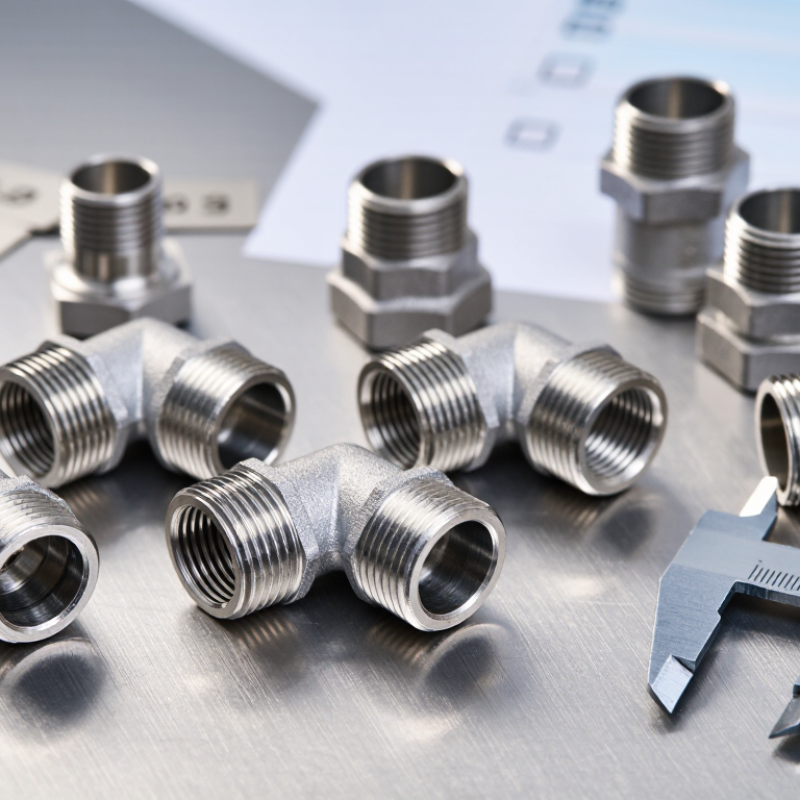
An ASME B16.11 threaded elbow is a forged fitting that redirects flow in a compact piping system. Its threaded ends can simplify installation where welding is unsuitable or access is limited. Common uses include utility lines, instrument connections, and smaller-bore process piping. The standard specifies fitting dimensions and related requirements, but it does not replace project-specific engineering review.
Fit matters. Confirm the pipe thread type and size before assembly; similar-looking threads are not always compatible. Check pressure, temperature, fluid, and material requirements together. A pressure class marking alone does not establish a safe operating limit for every service. Thread sealant must also suit the fluid and system conditions. Small details matter.
In the field, a frequent oversight is tightening a fitting to stop a leak without checking alignment or thread condition. That can damage the connection and create a harder repair later. Inspect clean threads, avoid forcing misaligned piping, and follow the applicable installation procedure. Corrosive service deserves extra scrutiny, since the fitting material and nearby pipe may not resist the same environment. Selection can look straightforward on a drawing. Real systems are less tidy.
For 2026 sourcing, compare threaded elbows against ASME B16.11-2021, which defines fitting dimensions, tolerances, and pressure-class designations. Its threaded fitting classes include 2000, 3000, and 6000. These are not universal pressure ratings in psi; allowable service depends on material, temperature, and system design.
Check the thread form against ASME B1.20.1, which specifies NPT pipe threads. Not interchangeable.
Material selection affects corrosion resistance and temperature suitability. ASTM A105 is commonly specified for carbon-steel forged fittings, while ASTM A182 grades such as F304 and F316 cover stainless-steel forgings.
Confirm the grade, heat-treatment condition, and material test documentation on each quotation. A catalogue label alone is thin evidence.
Dimensions deserve equal attention. Compare nominal pipe size, center-to-end dimensions, thread engagement, and wrench clearance with the applicable ASME B16.11 tables and project drawings.
Small details matter. A fitting can match the nominal size yet create installation problems when its end-to-center length or thread engagement differs.
Request a dimensioned drawing and verify pressure class and material together; I would not treat either item as a substitute for the other.
In 2026, evaluate ASME B16.11 threaded elbow suppliers by checking more than price and delivery time. Confirm that the offered fitting’s size, pressure class, material, and dimensions match your project documents. Request material test reports and verify that heat numbers remain traceable from the report to the fitting. Check markings on a sample, too. Paperwork can look tidy; the part still needs to match.
For threaded ends, confirm the required thread form and gauge inspection method with the supplier. ASME B16.11 covers forged fittings, while thread requirements may be specified separately in the project. Ask how the supplier controls machining, inspection, and lot records. A short, clear answer matters. So does a dated inspection record. If possible, review a sample elbow and check thread engagement with the mating component; a tight fit is not automatically a correct fit. Compare lead times, packaging, and replacement procedures alongside technical evidence. One caution: supplier questionnaires can miss shop-floor variation. Recheck critical details on early shipments, and record any gaps before approving repeat orders.
Regional coverage matters when sourcing ASME B16.11 threaded elbows. Suppliers in East and South Asia often serve fabrication hubs and export orders, while North American distributors may offer faster access to stocked fittings. European suppliers can support projects requiring detailed documentation and traceability. Coverage varies by size, pressure class, material, and available inventory. A nearby warehouse helps, but it does not guarantee a suitable product.
A useful supplier profile should explain manufacturing or distribution capabilities, inspection practices, and typical lead times. Ask for material certificates, dimensional records, and confirmation that the fitting matches the specified class and thread requirements. Check how the supplier handles small replacement orders as well as repeat project volumes. Details matter. Public profiles can be incomplete, and regional presence alone is not proof of technical quality. Request current documents and verify them against the project specification before ordering.
Tips: Compare landed cost, not just unit price. Confirm stock location, thread details, and delivery dates in writing. Keep a sample or inspection record for incoming checks. Small omissions can cause delays.
Choosing an ASME B16.11 threaded elbow supplier means comparing more than quoted price. Ask how each supplier verifies dimensions, pressure class, material grade, and thread fit. A sample inspection should include a thread gauge, clean sealing faces, and checks for cracks or rough machining. Request material test reports and traceability linking the paperwork to the delivered fittings. Small details matter. A low price may reflect efficient production, but it can also leave inspection costs or documentation unclear.
Delivery capability deserves the same scrutiny. Compare confirmed lead times, stock availability by size and class, and how quickly shortages are communicated. Ask whether elbows are protected from impact and moisture during packing; damaged threads can delay installation even when the shipment arrives on time. Pricing should include freight, packaging, inspection support, and any minimum order requirements. Cheap can be costly. Still, the highest quote is not automatically the safest choice. One useful comparison is to request the same sizes, quantities, certificates, and delivery date from each supplier, then review the offers side by side. I would also allow time for a trial order. It is a small step, and perhaps not always practical, but it can reveal gaps that a polished quotation misses.
Suggested procurement evaluation weights for comparing suppliers. These are planning guidelines, not measured supplier rankings or market data.
Prioritize material and dimensional compliance, then assess delivery performance and total cost. Verify current certifications, lead times, and quotations directly with each supplier.
It redirects flow in compact piping systems. Common uses include utility lines, instrument connections, and smaller-bore process piping.
Confirm the pipe size and thread type. Similar-looking threads may not fit. NPT threads are specified by ASME B1.20.1. Not interchangeable.
No. These are pressure-class designations, not universal psi ratings. Allowable service depends on material, temperature, and system design.
ASTM A105 is common for carbon-steel forgings. ASTM A182 grades such as F304 and F316 cover stainless-steel forgings. Check the grade and heat-treatment condition.
Review material test documentation and a dimensioned drawing. A catalogue label alone is thin evidence. I would still verify the details.
Check nominal size, center-to-end dimensions, thread engagement, and wrench clearance. A matching nominal size does not guarantee a neat fit.
Inspect thread condition and alignment before tightening. Forcing misaligned piping can damage the connection and complicate repairs. Follow the applicable installation procedure.
Confirm that the fitting material and nearby pipe suit the environment. Choose sealant for the fluid and system conditions. Real systems get messy.
This guide explains how ASME B16.11 Threaded Elbows are used to change flow direction in compact piping systems, particularly where threaded connections support practical installation and maintenance. It outlines the importance of checking applicable standards, material suitability, pressure classes, thread details, dimensions, and operating conditions before selecting a fitting. These factors help ensure that an elbow is compatible with the surrounding system and intended service.
The article also presents a practical approach to evaluating suppliers in 2026, including reviews of product documentation, manufacturing consistency, inspection practices, technical support, and order flexibility. It considers supplier capabilities across different regions without endorsing specific companies, and compares the factors buyers commonly weigh: verified quality, transparent pricing, available stock, lead times, and delivery reliability. Together, these considerations can help purchasers make informed decisions and balance performance, cost, and supply needs.